
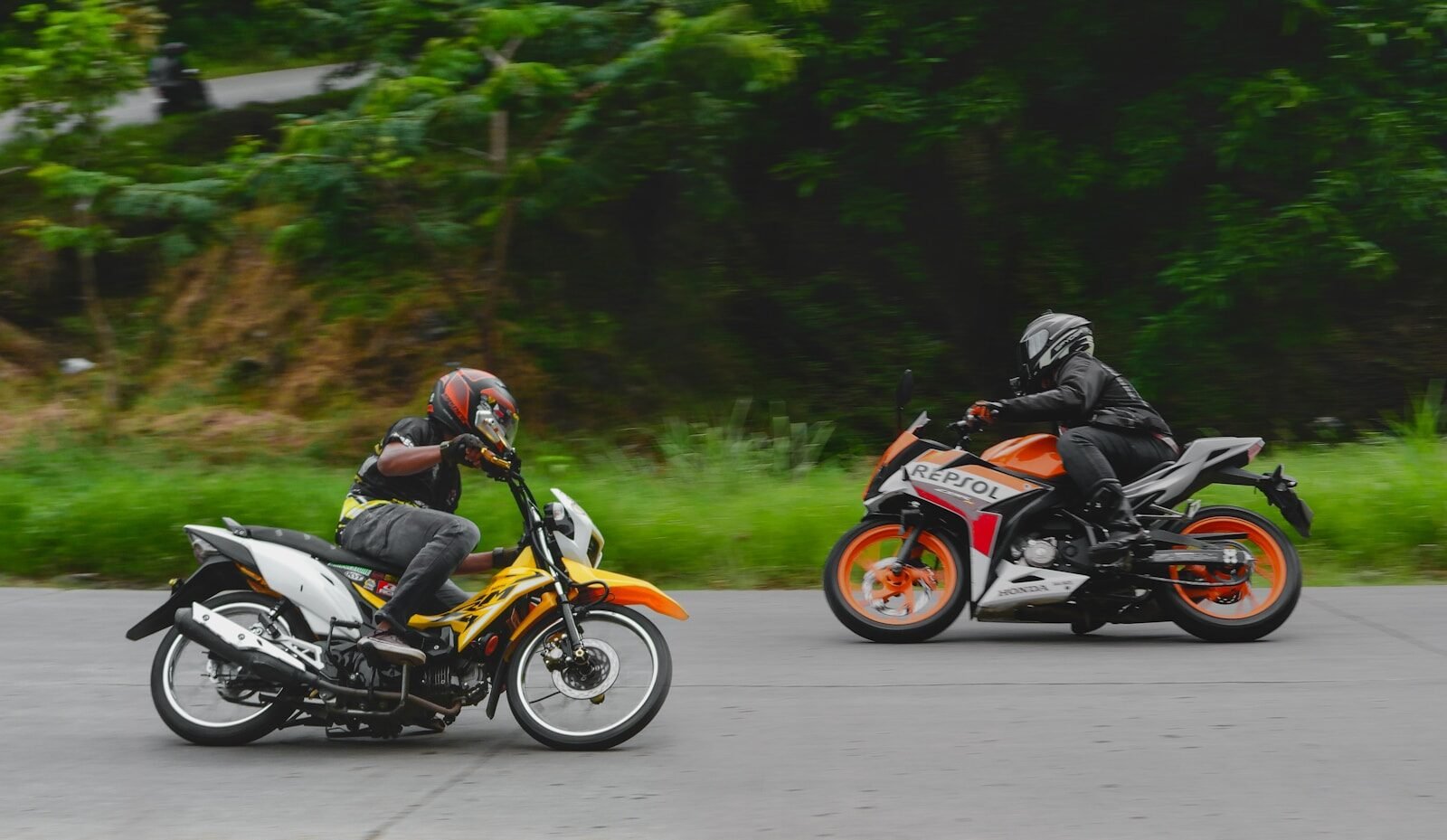
Motorcycles have long been a symbol of freedom, adventure, and excitement. Whether you’re commuting through city traffic, exploring scenic highways, or enjoying weekend rides, motorcycles offer a unique riding experience that few other vehicles can match. Over the years, motorcycles have become more reliable, fuel-efficient, and technologically advanced, making them a popular choice for riders of all ages.
If you’re new to motorcycles or planning to buy your first bike, understanding the different types, essential maintenance, safety practices, and riding tips is important. This guide covers everything beginners need to know about motorcycles.
Why Choose a Motorcycle?
Many people choose motorcycles for practical as well as recreational reasons. Compared to cars, motorcycles are generally more affordable to purchase and maintain. They consume less fuel, require less parking space, and can often move more easily through heavy traffic.
For enthusiasts, motorcycles also provide a sense of adventure and a stronger connection to the road. Riding allows you to experience your surroundings in a way that is difficult to replicate in a car.
Different Types of Motorcycles
Motorcycles come in a wide range of styles, each designed for different purposes.
Standard Motorcycles
Standard motorcycles are versatile and easy to ride. They have an upright seating position that makes them comfortable for commuting, city riding, and short trips. These bikes are often recommended for beginners due to their balanced handling.
Sport Bikes
Sport motorcycles are built for speed, acceleration, and sharp handling. They feature lightweight frames, powerful engines, and aerodynamic designs. While exciting to ride, they require more skill and experience because of their aggressive riding position and responsive performance.
Cruiser Motorcycles
Cruiser bikes are known for their relaxed riding position, low seat height, and classic styling. They are ideal for comfortable highway cruising and long-distance travel. Many riders appreciate their smooth ride and distinctive appearance.
Touring Motorcycles
Touring motorcycles are designed for long journeys. They usually include large windscreens, comfortable seats, spacious luggage compartments, and advanced technology such as navigation systems and heated grips.
Adventure Motorcycles
Adventure bikes are built for both paved roads and off-road trails. They offer higher ground clearance, long-travel suspension, and durable construction, making them suitable for riders who enjoy exploring different terrains.
Dual-Sport Motorcycles
Dual-sport motorcycles combine features of street bikes and dirt bikes. They are street legal while also capable of handling gravel roads, dirt trails, and light off-road conditions.
Choosing Your First Motorcycle
Selecting the right motorcycle depends on your experience, riding goals, and budget.
Beginners should consider:
- Comfortable seating position
- Moderate engine size
- Lightweight design
- Good fuel efficiency
- Reliable braking system
- Affordable maintenance costs
Starting with a smaller, easier-to-handle motorcycle allows new riders to build confidence before moving to larger, more powerful bikes.
Essential Motorcycle Safety Gear
Safety equipment is just as important as the motorcycle itself.
Every rider should wear:
- A certified full-face helmet
- Protective riding jacket
- Riding gloves
- Durable riding pants
- Sturdy boots that cover the ankles
- Protective body armor when appropriate
High-visibility clothing also helps improve visibility, especially during nighttime or poor weather conditions.
Basic Motorcycle Maintenance
Regular maintenance keeps your motorcycle safe, reliable, and enjoyable to ride.
Check Engine Oil
Engine oil lubricates moving parts and prevents excessive wear. Check the oil level regularly and replace it according to the manufacturer’s maintenance schedule.
Inspect Tires
Maintain the correct tire pressure and inspect tires for damage, cracks, or worn tread. Healthy tires provide better grip and improve fuel efficiency.
Maintain the Chain
Many motorcycles use chain drive systems that require cleaning and lubrication.
A properly maintained chain reduces wear and ensures smooth power delivery.
Test the Brakes
Inspect brake pads, brake fluid, and brake discs regularly. Reliable brakes are essential for rider safety.
Check Lights
Ensure that headlights, brake lights, indicators, and taillights function correctly before every ride.
Keep the Battery Healthy
Inspect battery terminals for corrosion and ensure the battery remains fully charged, especially if the motorcycle is stored for long periods.
Fuel Efficiency Tips
Motorcycles are generally fuel-efficient, but smart riding habits can improve mileage even further.
Helpful tips include:
- Accelerate smoothly.
- Maintain steady speeds.
- Keep tires properly inflated.
- Reduce unnecessary weight.
- Service the motorcycle regularly.
- Avoid excessive idling.
Efficient riding saves money and reduces environmental impact.
Riding Safely
Safe riding requires concentration, awareness, and defensive driving techniques.
Important safety practices include:
- Wear protective gear every ride.
- Obey traffic laws.
- Maintain safe following distances.
- Watch for blind spots.
- Avoid sudden braking.
- Use turn signals early.
- Stay alert for road hazards.
Continuous learning and practice help improve riding confidence and reduce accident risks.
Common Motorcycle Mistakes to Avoid
Many beginner riders make avoidable mistakes.
These include:
- Riding without proper safety gear
- Ignoring maintenance schedules
- Riding too fast for road conditions
- Following vehicles too closely
- Neglecting tire pressure
- Failing to practice emergency braking
Learning from experienced riders and taking professional riding courses can significantly improve safety.
Benefits of Motorcycle Ownership
Owning a motorcycle offers many advantages.
Lower Operating Costs
Motorcycles generally cost less to fuel and maintain than cars.
Easier Parking
Their compact size allows riders to park in smaller spaces and navigate congested areas more easily.
Enjoyable Riding Experience
Many riders appreciate the excitement and sense of freedom that motorcycles provide.
Excellent Fuel Economy
Most motorcycles consume significantly less fuel than conventional passenger cars.
Strong Community
Motorcycle clubs and riding groups provide opportunities to meet other enthusiasts, participate in group rides, and learn from experienced riders.
Seasonal Motorcycle Care
Weather affects motorcycle performance and maintenance needs.
Summer
- Check coolant if applicable.
- Inspect tire pressure regularly.
- Wear ventilated protective gear.
- Stay hydrated during long rides.
Winter
- Store the motorcycle in a dry location.
- Use a battery maintainer.
- Keep the fuel tank full to reduce moisture.
- Cover the motorcycle to protect it from dust and moisture.
Proper seasonal care extends the life of both the motorcycle and its components.
The Future of Motorcycles
Motorcycle technology continues to evolve rapidly.
Modern motorcycles now include features such as:
- Anti-lock Braking Systems (ABS)
- Traction control
- Ride-by-wire throttle systems
- Smartphone connectivity
- Digital instrument displays
- GPS navigation
- Electric motorcycle technology
Electric motorcycles are becoming increasingly popular due to their quiet operation, instant torque, and zero tailpipe emissions. As battery technology improves, they are expected to play a larger role in the future of motorcycling.
Conclusion
Motorcycles offer an exciting, efficient, and practical way to travel while delivering a unique riding experience. Whether you are purchasing your first motorcycle or upgrading to a new model, understanding motorcycle types, safety practices, maintenance requirements, and riding techniques will help you enjoy every journey with confidence.
By investing in proper safety gear, following a regular maintenance schedule, and continuously improving your riding skills, you can experience the freedom of motorcycling while staying safe on the road. With modern technology and growing innovation, motorcycles remain one of the most enjoyable forms of personal transportation available today.