
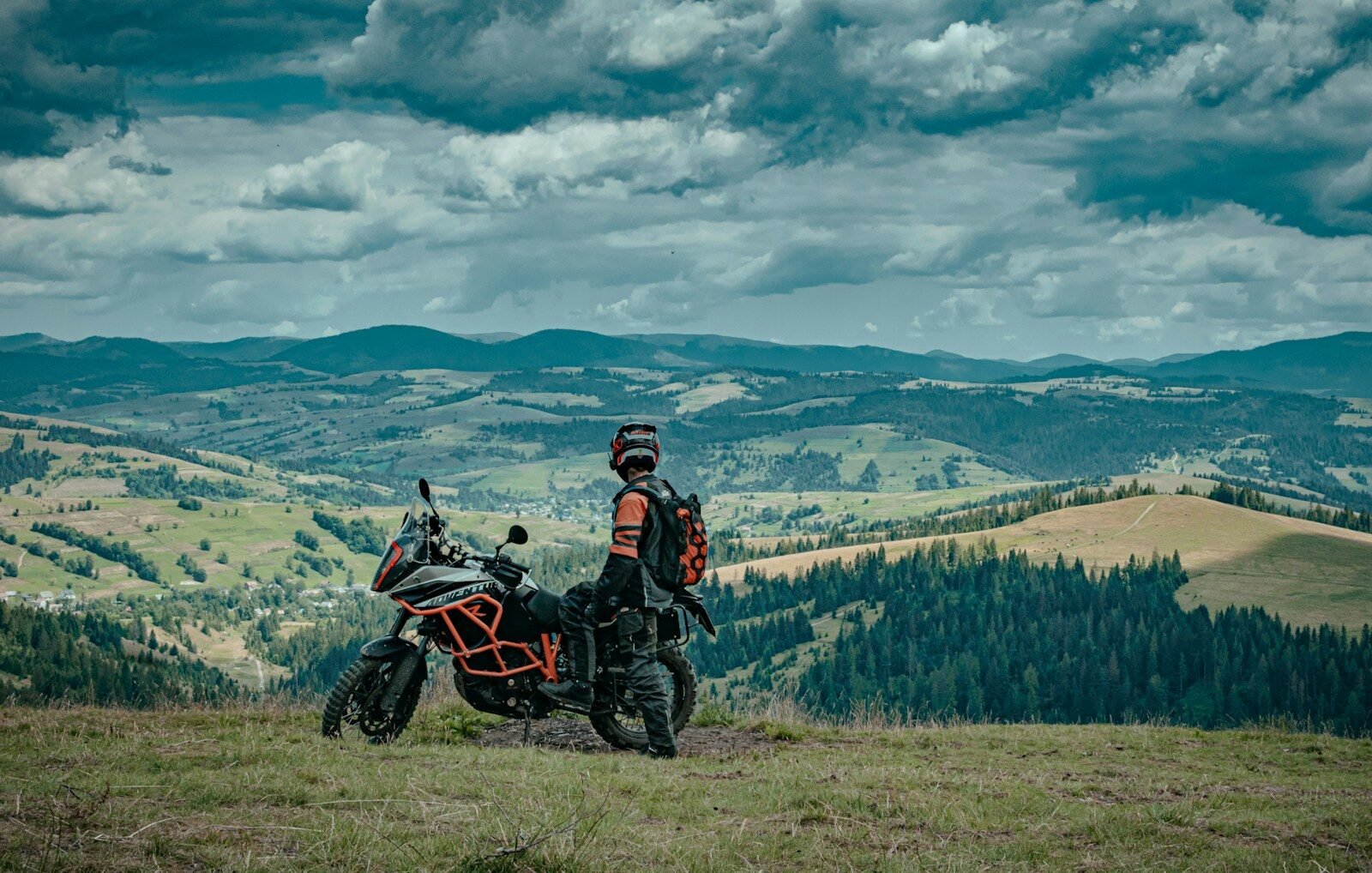
For many riders, motorcycle touring is the perfect combination of adventure, freedom, and exploration. Riding through scenic highways, mountain roads, coastal routes, or peaceful countryside offers an experience that is difficult to match with any other form of travel. Whether you’re planning your first weekend getaway or a cross-country adventure, proper preparation is the key to a safe and enjoyable journey.
This guide covers everything you need to know about motorcycle touring, including choosing the right bike, packing essentials, planning your route, staying safe, and making the most of every ride.
Why Motorcycle Touring Is So Popular
Motorcycle touring allows riders to experience the world in a unique way. Instead of simply traveling from one destination to another, every mile becomes part of the adventure.
Some of the biggest benefits of motorcycle touring include:
- Freedom to explore new places
- Affordable travel compared to other transportation
- Beautiful scenic routes
- Opportunity to meet fellow riders
- Stress relief and relaxation
- Memorable outdoor experiences
For many enthusiasts, the journey itself becomes more meaningful than the destination.
Choosing the Right Touring Motorcycle
Not every motorcycle is designed for long-distance travel. Comfort, reliability, and storage capacity are important factors when selecting a touring bike.
Features to look for include:
- Comfortable seating position
- Large fuel tank
- Windshield or fairing
- Comfortable suspension
- Spacious luggage options
- Reliable engine
- Good fuel efficiency
Adventure motorcycles, touring bikes, and large cruisers are among the most popular choices for long-distance rides.
Plan Your Route Carefully
Good route planning makes your trip smoother and more enjoyable.
Before leaving:
- Study maps or GPS routes.
- Check road conditions.
- Identify fuel stations.
- Locate rest stops.
- Reserve accommodation if needed.
- Review weather forecasts.
Planning ahead helps prevent unnecessary delays and reduces stress during the trip.
Pack Only What You Need
Overloading your motorcycle can affect handling, braking, and fuel efficiency.
Pack lightweight essentials such as:
- Riding clothes
- Rain gear
- Basic tool kit
- Tire repair kit
- First aid kit
- Water bottle
- Power bank
- Phone charger
- Personal documents
- Snacks
Use saddlebags, tank bags, or waterproof luggage to keep your belongings organized and secure.
Wear Proper Riding Gear
Long-distance touring requires quality protective equipment.
Essential gear includes:
- Full-face helmet
- Armored riding jacket
- Riding gloves
- Protective riding pants
- Waterproof boots
- Reflective vest
Weather conditions can change quickly, so carrying extra layers is always a good idea.
Inspect Your Motorcycle Before Departure
A pre-trip inspection reduces the chance of breakdowns.
Check the following:
- Engine oil
- Tire pressure
- Brake pads
- Brake fluid
- Coolant level
- Lights
- Battery
- Chain tension
- Fuel system
If your motorcycle is due for service, complete it before beginning your tour.
Ride Comfortably
Long hours on the road can be physically demanding.
To stay comfortable:
- Take breaks every two hours.
- Stretch your legs and back.
- Stay hydrated.
- Avoid heavy meals during riding.
- Adjust your seating position regularly.
Comfort helps maintain concentration and reduces fatigue.
Ride Defensively
Safety is always the highest priority.
Practice defensive riding by:
- Maintaining safe following distances
- Avoiding blind spots
- Using turn signals early
- Watching for road hazards
- Staying alert at intersections
- Riding within speed limits
Expect unexpected actions from other drivers and always leave yourself enough space to react.
Prepare for Changing Weather
Weather can change quickly during long rides.
Riding in Rain
- Slow down.
- Increase following distance.
- Wear waterproof clothing.
- Brake gently.
- Avoid sudden steering movements.
Riding in Hot Weather
- Drink plenty of water.
- Wear ventilated riding gear.
- Take frequent rest breaks.
- Avoid dehydration.
Riding in Cold Weather
- Wear insulated clothing.
- Use thermal gloves.
- Keep your visor clean.
- Watch for icy roads.
Preparing for different weather conditions improves both comfort and safety.
Fuel Management
Running out of fuel can quickly ruin a road trip.
Helpful tips include:
- Refill before the tank becomes nearly empty.
- Know the distance between fuel stations.
- Carry emergency fuel only if legally permitted.
- Monitor fuel consumption regularly.
Planning fuel stops is especially important in remote areas.
Navigation Tips
Modern navigation tools make touring easier than ever.
Useful navigation options include:
- Smartphone GPS apps
- Motorcycle GPS devices
- Offline maps
- Printed maps as backup
Always mount your navigation device securely and avoid looking away from the road for long periods.
Capture Your Journey
Many riders enjoy documenting their adventures.
Ideas include:
- Action camera videos
- Scenic photography
- Travel journals
- Social media updates
- Route tracking apps
Capturing memories allows you to relive your favorite rides and share them with others.
Respect Local Traffic Laws
Every region may have different traffic regulations.
Always:
- Follow speed limits.
- Carry required documents.
- Wear legally required safety equipment.
- Respect local customs.
- Obey road signs.
Responsible riding creates a positive image for the motorcycle community.
Common Touring Mistakes
Avoid these common errors:
- Packing too much luggage
- Skipping motorcycle inspections
- Riding while tired
- Ignoring weather forecasts
- Wearing uncomfortable gear
- Planning unrealistic daily distances
Learning from these mistakes makes future tours more enjoyable.
Benefits of Motorcycle Touring
Touring offers much more than transportation.
Benefits include:
- Greater confidence
- Improved riding skills
- Beautiful travel experiences
- Stronger appreciation of nature
- New friendships
- Reduced stress
- Lasting memories
Every journey provides opportunities to learn and grow as a rider.
The Future of Motorcycle Touring
Technology continues to improve the touring experience.
Modern touring motorcycles now include:
- GPS navigation
- Cruise control
- Heated seats
- Heated grips
- Bluetooth connectivity
- Electronic suspension
- Adaptive lighting
- Rider assistance systems
Electric touring motorcycles are also becoming more practical as battery range and charging infrastructure continue to improve.
Conclusion
Motorcycle touring is one of the most rewarding ways to travel. With careful planning, proper safety gear, and regular motorcycle maintenance, every trip can become a memorable adventure. From selecting the right motorcycle to packing wisely and practicing defensive riding, preparation is the key to success.
Whether you’re exploring nearby countryside roads or embarking on a cross-country expedition, motorcycle touring offers freedom, excitement, and unforgettable experiences. By riding responsibly and respecting both your motorcycle and the road, you’ll enjoy countless adventures for years to come.