
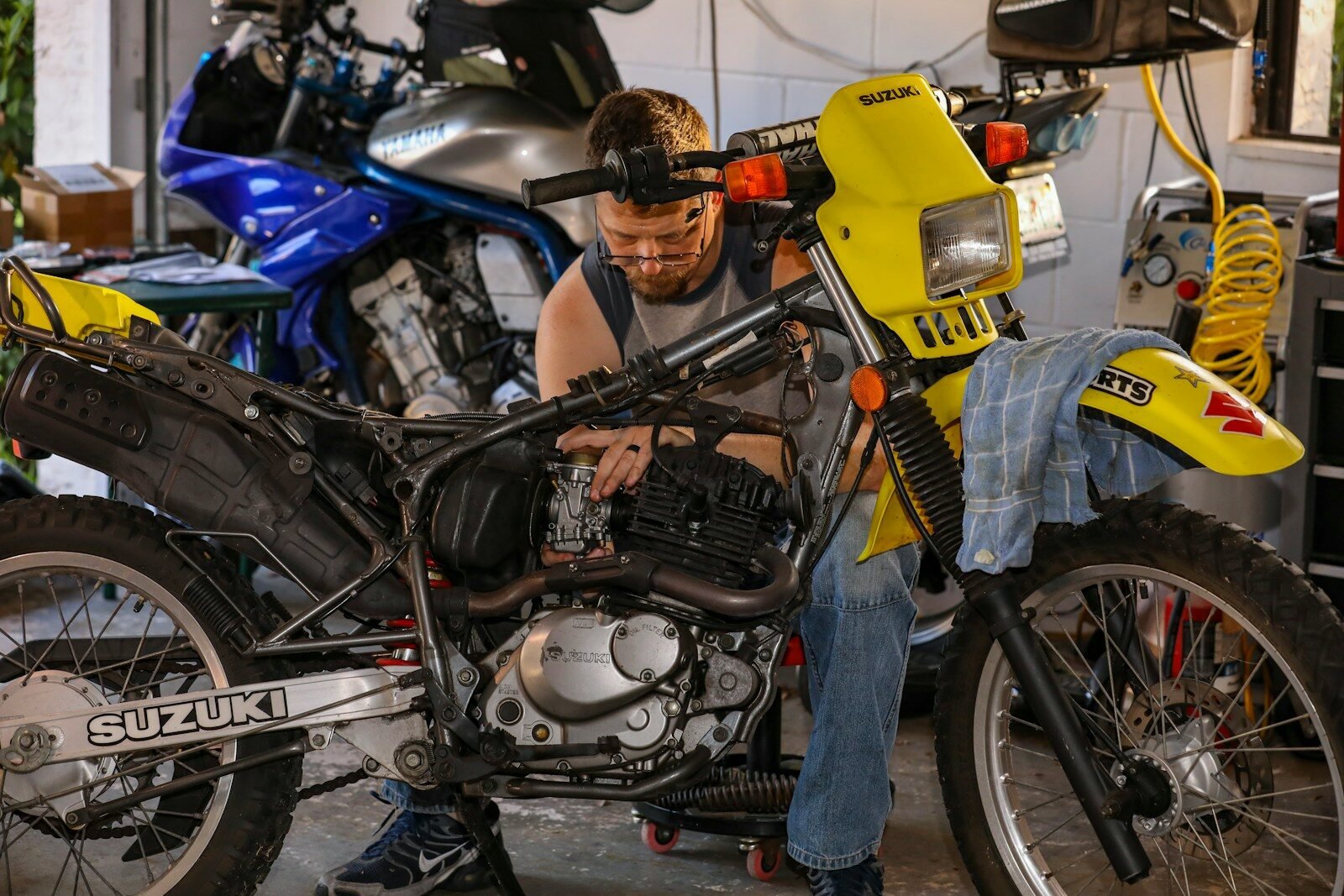
A motorcycle is more than just a means of transportation—it is a machine that offers freedom, adventure, and an exciting riding experience. Whether you use your bike for daily commuting, weekend rides, or long-distance touring, regular maintenance is essential for safety, performance, and reliability.
Unlike cars, motorcycles have exposed mechanical components that require frequent inspection and care. Neglecting basic maintenance can lead to poor performance, costly repairs, and even dangerous riding conditions. This guide explains the most important motorcycle maintenance practices every rider should follow.
Why Motorcycle Maintenance Is Important
Routine maintenance helps your motorcycle perform at its best while reducing the risk of unexpected breakdowns.
Benefits of regular maintenance include:
- Improved fuel efficiency
- Better engine performance
- Increased riding safety
- Longer engine life
- Lower repair costs
- Higher resale value
- More enjoyable riding experience
A well-maintained motorcycle is not only more reliable but also safer on every journey.
Check Engine Oil Regularly
Engine oil is one of the most important fluids in your motorcycle.
It lubricates engine components, reduces friction, and helps keep the engine cool. Dirty or low oil can cause severe engine damage.
Check the oil level every few weeks or before long rides.
Replace the oil and oil filter according to the manufacturer’s recommended service interval.
Signs your motorcycle may need an oil change include:
- Dark or dirty oil
- Increased engine noise
- Reduced performance
- Difficulty shifting gears
Using high-quality engine oil can significantly improve engine life.
Inspect Tire Pressure and Condition
Motorcycle tires directly affect handling, braking, and safety.
Check tire pressure at least once a week using a reliable pressure gauge.
Proper tire pressure offers:
- Better fuel economy
- Improved stability
- Longer tire life
- Better cornering performance
Also inspect your tires for:
- Cracks
- Cuts
- Uneven wear
- Embedded objects
- Low tread depth
Replace worn tires immediately to maintain safe traction.
Clean and Lubricate the Chain
Most motorcycles use a chain-drive system that requires regular maintenance.
A dirty or dry chain causes excessive wear and reduces power transfer.
To maintain the chain:
- Clean it using a chain cleaner.
- Lubricate it with motorcycle chain lubricant.
- Check chain tension regularly.
- Adjust the chain according to manufacturer specifications.
Proper chain maintenance improves performance and extends the lifespan of both the chain and sprockets.
Inspect the Braking System
Reliable brakes are essential for rider safety.
Regularly inspect:
- Brake pads
- Brake discs
- Brake fluid level
- Brake lines
Replace brake pads before they become excessively worn.
If you notice squeaking, grinding, or reduced braking performance, have the braking system inspected immediately.
Test the Battery
A healthy battery ensures reliable starting and powers your motorcycle’s electrical system.
Inspect the battery for:
- Corroded terminals
- Loose connections
- Low charge
- Physical damage
If you store your motorcycle during winter, use a battery maintainer to keep it charged.
Most motorcycle batteries last between three and five years with proper care.
Replace the Air Filter
The engine air filter prevents dust and dirt from entering the engine.
A clogged filter reduces airflow, causing:
- Poor acceleration
- Reduced fuel efficiency
- Lower engine performance
Inspect the air filter regularly and replace it according to the service schedule.
Riders who frequently travel on dusty roads may need more frequent replacements.
Check Coolant Levels
Liquid-cooled motorcycles rely on coolant to regulate engine temperature.
Inspect the coolant reservoir regularly and refill it with the recommended coolant if necessary.
Never open the radiator cap while the engine is hot.
Proper cooling prevents overheating and helps protect the engine during long rides.
Inspect Lights and Electrical Components
Before every ride, check that all lights function correctly.
Inspect:
- Headlight
- Brake light
- Turn signals
- Tail light
- Horn
- Dashboard indicators
Working lights improve visibility and help other road users understand your intentions.
Maintain Proper Suspension
The suspension system affects ride comfort and handling.
Look for:
- Oil leaks
- Damaged seals
- Excessive bouncing
- Unusual noises
Well-maintained suspension improves stability, especially on rough roads.
Keep Your Motorcycle Clean
Regular cleaning protects both appearance and mechanical components.
Wash your motorcycle to remove:
- Dirt
- Mud
- Road salt
- Grease
- Insects
After washing:
- Dry the motorcycle completely.
- Lubricate the chain.
- Apply wax to painted surfaces.
- Polish chrome parts if applicable.
Keeping your motorcycle clean also makes it easier to spot leaks or worn components.
Prepare for Seasonal Riding
Weather conditions affect motorcycle performance.
Summer Maintenance
- Check coolant frequently.
- Monitor tire pressure.
- Avoid overheating during long rides.
- Clean insects from the radiator.
Winter Storage
If you won’t ride during winter:
- Fill the fuel tank.
- Add a fuel stabilizer.
- Disconnect or maintain the battery.
- Cover the motorcycle.
- Store it in a dry garage.
Proper storage prevents corrosion and mechanical problems.
Create a Maintenance Schedule
Following a routine maintenance plan makes ownership easier.
Weekly
- Check tire pressure.
- Inspect lights.
- Examine the chain.
- Check engine oil.
Monthly
- Clean the motorcycle.
- Inspect brake pads.
- Check battery condition.
- Tighten loose bolts if necessary.
Every Service Interval
- Change engine oil.
- Replace oil filter.
- Inspect air filter.
- Check coolant.
- Inspect suspension.
- Adjust chain tension.
Keeping a maintenance log helps you stay organized.
Common Motorcycle Maintenance Mistakes
Avoid these common errors:
- Ignoring unusual engine noises
- Riding with underinflated tires
- Skipping oil changes
- Forgetting chain lubrication
- Delaying brake repairs
- Using incorrect engine oil
- Neglecting battery maintenance
Addressing small issues early prevents expensive repairs later.
Modern Motorcycle Technology
Today’s motorcycles include advanced systems that improve both safety and performance.
Popular features include:
- Anti-lock Braking System (ABS)
- Traction control
- Ride modes
- Digital displays
- Tire pressure monitoring
- Smartphone connectivity
- Navigation systems
Even with modern technology, regular maintenance remains essential for reliable performance.
Conclusion
Proper motorcycle maintenance is the key to safe and enjoyable riding. By regularly checking engine oil, tires, brakes, the chain, battery, and cooling system, you can prevent unexpected breakdowns and extend the life of your motorcycle.
A consistent maintenance routine not only improves performance but also reduces long-term repair costs and increases resale value. Whether you ride every day or only on weekends, taking care of your motorcycle ensures every journey is smooth, safe, and enjoyable. Investing a little time in maintenance today will reward you with years of dependable riding.