
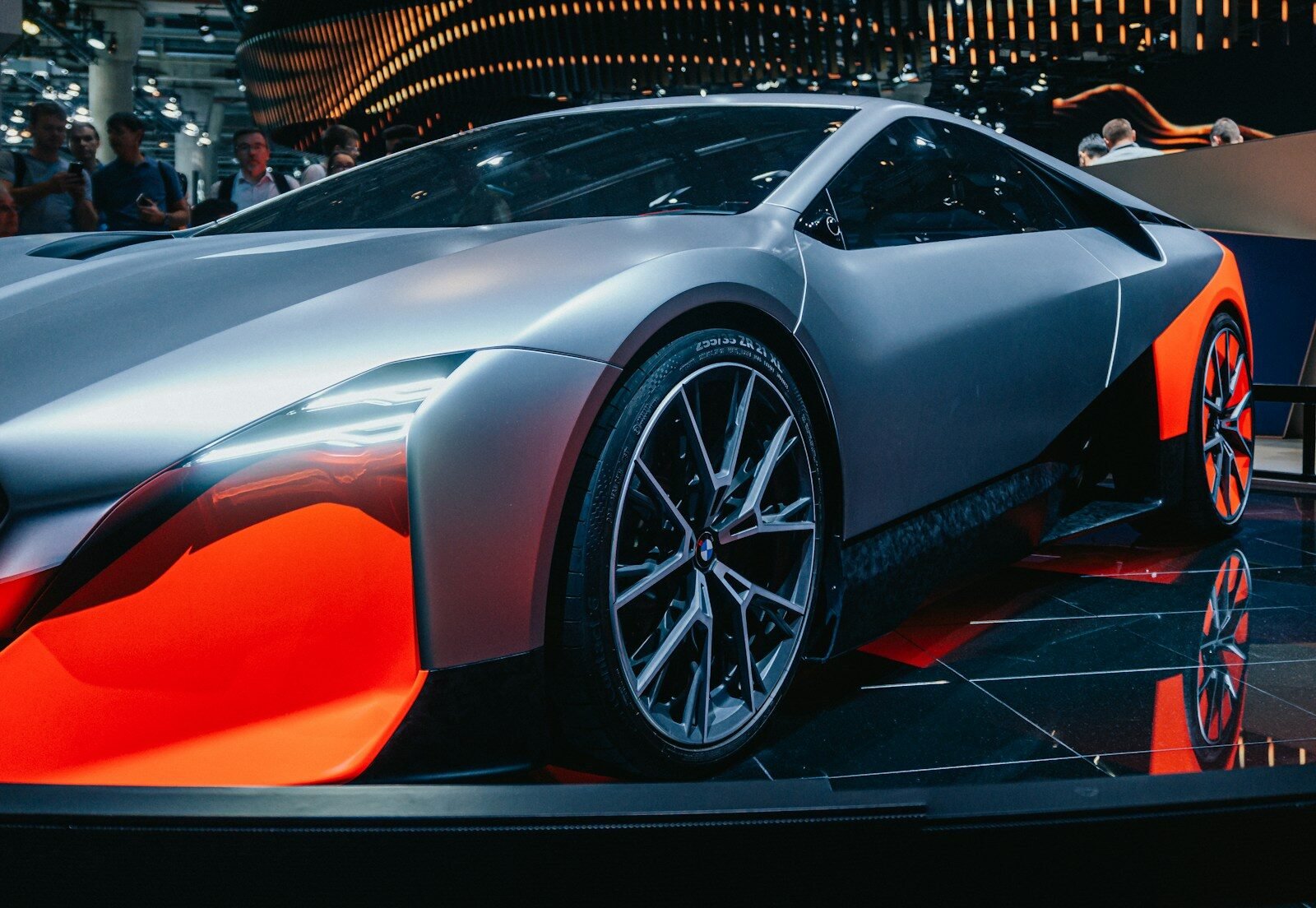
The automotive industry has entered a new era of innovation, where technology, sustainability, and customer expectations are driving major changes. Every year, manufacturers introduce smarter vehicles, cleaner engines, and advanced safety systems to improve the driving experience. In 2026, the focus is on electric mobility, artificial intelligence, connected vehicles, and environmentally friendly manufacturing.
For car enthusiasts and buyers alike, following the latest auto news is essential. It helps people understand new technologies, compare vehicles, and make informed purchasing decisions. This article explores the biggest automotive trends shaping the industry today and what drivers can expect in the future.
Electric Vehicles Are Becoming Mainstream
Electric vehicles (EVs) are no longer considered a niche market. Today, they are one of the fastest-growing segments of the automotive industry. Car manufacturers are launching new electric sedans, SUVs, pickup trucks, and luxury vehicles with improved battery technology and longer driving ranges.
Some major advantages of electric vehicles include:
- Zero tailpipe emissions
- Lower maintenance costs
- Instant acceleration
- Quiet driving experience
- Reduced fuel expenses
As charging infrastructure expands, owning an electric vehicle is becoming easier than ever.
Hybrid Cars Continue to Attract Buyers
Although electric vehicles are growing rapidly, hybrid cars remain a practical solution for many drivers.
Hybrid vehicles combine a traditional gasoline engine with an electric motor to improve fuel efficiency and reduce emissions.
Benefits of hybrid vehicles include:
- Excellent fuel economy
- No need for charging stations
- Lower emissions
- Smooth driving experience
- Extended driving range
Hybrids are especially popular among commuters and long-distance travelers.
Artificial Intelligence Is Transforming Vehicles
Artificial Intelligence (AI) is changing how modern cars operate.
AI-powered systems can:
- Monitor driver behavior
- Provide voice assistance
- Predict maintenance needs
- Optimize navigation routes
- Assist with parking
- Improve traffic management
These technologies increase safety while making driving more convenient.
Connected Cars Improve Everyday Driving
Connected vehicles use internet technology to communicate with drivers, smartphones, and cloud-based services.
Popular connected features include:
- Remote vehicle control
- Live traffic updates
- Over-the-air software updates
- Emergency assistance
- Vehicle diagnostics
- Smartphone integration
Connected technology helps owners stay informed about their vehicle’s condition and enhances the overall driving experience.
Advanced Safety Systems
Vehicle safety continues to improve thanks to modern technology.
Many new cars now feature:
- Automatic Emergency Braking
- Adaptive Cruise Control
- Blind Spot Detection
- Lane Keeping Assist
- Driver Attention Monitoring
- Rear Cross-Traffic Alert
- Traffic Sign Recognition
These systems help reduce accidents and protect both drivers and passengers.
Battery Technology Continues to Advance
Battery innovation remains one of the biggest priorities for electric vehicle manufacturers.
Today’s batteries offer:
- Longer driving ranges
- Faster charging speeds
- Better durability
- Improved efficiency
- Enhanced safety
Researchers are also developing solid-state batteries that could revolutionize the electric vehicle industry in the coming years.
SUVs Continue Their Popularity
SUVs remain one of the most popular vehicle categories worldwide.
Reasons for their success include:
- Spacious interiors
- Flexible seating
- Large cargo capacity
- Comfortable driving position
- Better visibility
- Family-friendly practicality
Manufacturers continue expanding their SUV lineups with hybrid and fully electric models.
Luxury Features Become Standard
Technology once reserved for premium vehicles is now available in many affordable cars.
Common modern features include:
- Wireless smartphone charging
- Digital instrument clusters
- Large infotainment displays
- Apple CarPlay and Android Auto
- Heated seats
- Premium sound systems
- Panoramic sunroofs
These features improve comfort while increasing the overall value of modern vehicles.
Digital Car Buying Is Growing
The process of purchasing a vehicle has changed dramatically.
Many dealerships now allow customers to:
- Browse inventory online
- Compare specifications
- Apply for financing
- Schedule appointments
- Complete paperwork digitally
- Arrange home delivery
Online purchasing provides convenience and saves valuable time.
Sustainable Manufacturing
Automotive companies are becoming more environmentally responsible.
Manufacturers are investing in:
- Renewable energy
- Eco-friendly factories
- Recycled materials
- Lower carbon emissions
- Sustainable production methods
These initiatives help reduce the environmental impact of vehicle manufacturing.
Autonomous Driving Technology
Self-driving technology continues to evolve.
Although fully autonomous vehicles are still under development, many modern cars already offer advanced driver assistance features such as:
- Automatic parking
- Highway driving assistance
- Adaptive cruise control
- Traffic jam assist
- Automatic lane changes
These technologies make driving safer and less stressful.
Tips for Car Buyers
Before purchasing your next vehicle, consider the following:
- Set a realistic budget.
- Compare several models.
- Read professional car reviews.
- Check safety ratings.
- Evaluate fuel efficiency.
- Understand maintenance costs.
- Take a complete test drive.
- Review warranty coverage.
Doing proper research helps ensure you choose the right vehicle for your needs.
The Future of Transportation
Experts predict exciting developments in the years ahead, including:
- Fully autonomous vehicles
- Solid-state batteries
- Hydrogen-powered cars
- AI-powered traffic systems
- Vehicle-to-vehicle communication
- Smart city integration
These innovations will make transportation more efficient, safer, and environmentally friendly.
Conclusion
The automotive industry in 2026 is experiencing rapid growth and technological advancement. Electric vehicles, hybrid technology, artificial intelligence, connected cars, and advanced safety systems are transforming the way people drive. At the same time, manufacturers are focusing on sustainability and improving the overall ownership experience.
Keeping up with the latest auto news allows consumers to stay informed about industry trends, compare new models, and make smarter purchasing decisions. As innovation continues, the future of transportation promises cleaner energy, smarter technology, and safer roads for everyone.