
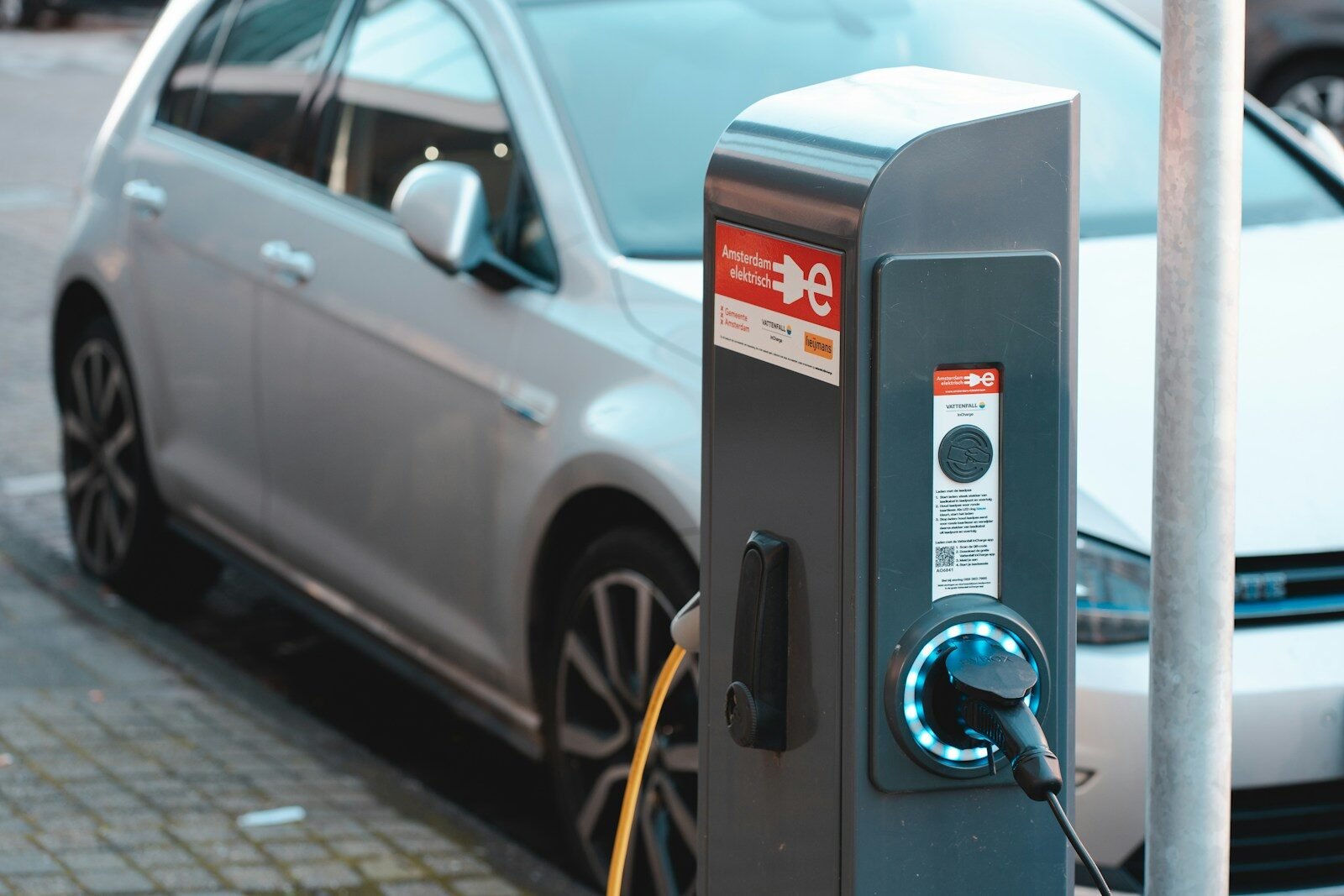
The automotive industry is undergoing one of the biggest transformations in its history, and electric vehicles (EVs) are leading the way. As concerns about climate change, fuel prices, and air pollution continue to grow, more people are choosing electric cars as a cleaner and more efficient alternative to traditional gasoline-powered vehicles. Advances in battery technology, charging infrastructure, and vehicle performance have made EVs more practical than ever before.
Whether you’re considering buying your first electric vehicle or simply want to understand how they work, this guide explores everything you need to know about EVs and why they are shaping the future of transportation.
What Are Electric Vehicles?
An electric vehicle (EV) is a car that uses one or more electric motors powered by rechargeable batteries instead of an internal combustion engine. Unlike conventional vehicles that burn gasoline or diesel, EVs rely on stored electrical energy to move the vehicle.
There are several types of electric vehicles available today, including:
Battery Electric Vehicles (BEVs)
Battery Electric Vehicles run entirely on electricity. They have no gasoline engine and produce zero tailpipe emissions. Drivers recharge the battery using home chargers or public charging stations.
Plug-in Hybrid Electric Vehicles (PHEVs)
Plug-in Hybrid Electric Vehicles combine an electric motor with a gasoline engine. They can drive on electricity for shorter distances before switching to fuel for longer trips.
Hybrid Electric Vehicles (HEVs)
Hybrid vehicles use both an electric motor and a gasoline engine, but they cannot be plugged in for charging. The battery is charged through regenerative braking and the engine itself.
How Electric Vehicles Work
Electric vehicles store electricity in large lithium-ion battery packs. When the driver presses the accelerator, electricity flows from the battery to the electric motor, which powers the wheels.
Unlike gasoline engines with hundreds of moving parts, electric motors are simpler, quieter, and more efficient.
Most EVs also use regenerative braking, a system that captures energy normally lost during braking and sends it back to the battery, increasing overall efficiency.
Advantages of Electric Vehicles
Electric vehicles offer numerous benefits that make them increasingly popular worldwide.
Environmentally Friendly
One of the biggest advantages of EVs is their lower environmental impact.
Since battery electric vehicles produce no exhaust emissions, they help reduce air pollution and greenhouse gas emissions. When charged using renewable energy sources like solar or wind power, their environmental benefits become even greater.
Lower Operating Costs
Electricity generally costs less than gasoline or diesel fuel.
In addition, EVs require less maintenance because they have fewer moving parts. There are no oil changes, spark plugs, timing belts, or exhaust systems to replace.
This can significantly reduce long-term ownership costs.
Quiet Driving Experience
Electric motors operate almost silently, making EVs much quieter than traditional vehicles.
This not only improves driver comfort but also reduces noise pollution in cities.
Instant Acceleration
Electric motors deliver maximum torque immediately, allowing quick acceleration from a standstill.
Many electric vehicles outperform similarly priced gasoline cars in acceleration and responsiveness.
Reduced Maintenance
Because EVs have fewer mechanical components, there are fewer parts that can wear out or fail.
Routine maintenance usually includes:
- Tire rotations
- Brake inspections
- Battery health checks
- Cabin air filter replacement
- Coolant inspection (for battery cooling systems)
This simplicity helps lower maintenance costs over the life of the vehicle.
Challenges of Electric Vehicles
Although EVs offer many benefits, they also come with certain challenges.
Charging Infrastructure
While public charging networks continue to expand, charging stations are still less common than traditional fuel stations in many regions.
Drivers planning long-distance travel may need to carefully plan charging stops.
Charging Time
Charging an electric vehicle takes longer than filling a gasoline tank.
Charging times depend on the charger type:
- Home charging may take several hours.
- Level 2 chargers usually recharge overnight.
- DC fast chargers can provide significant battery charge in around 20 to 45 minutes.
Battery technology continues to improve, making charging faster every year.
Initial Purchase Price
Electric vehicles often have a higher purchase price than gasoline-powered cars.
However, lower fuel and maintenance costs can offset the higher upfront investment over time.
Government incentives and tax credits in many countries also help reduce the cost of purchasing an EV.
Battery Technology
The battery is the heart of every electric vehicle.
Modern EVs mainly use lithium-ion batteries because they offer:
- High energy density
- Long lifespan
- Fast charging capability
- Lightweight construction
Most manufacturers provide battery warranties ranging from 8 to 10 years, giving buyers confidence in long-term reliability.
Researchers are also developing solid-state batteries, which promise:
- Longer driving range
- Faster charging
- Improved safety
- Longer battery life
These advancements could further accelerate EV adoption in the coming years.
Charging an Electric Vehicle
Charging options continue to become more convenient.
Home Charging
Many EV owners install home charging equipment that allows overnight charging while the vehicle is parked.
This is the most convenient and often the least expensive charging method.
Public Charging Stations
Public chargers are commonly found at:
- Shopping centers
- Hotels
- Office buildings
- Parking garages
- Highway service areas
Fast-charging stations make long-distance travel increasingly practical.
Driving Range
One of the most common concerns among buyers is driving range.
Modern electric vehicles typically offer between 250 and 600 kilometers on a full charge, depending on the model, battery size, weather conditions, and driving style.
Range continues to improve as battery technology advances.
Safety Features
Electric vehicles undergo the same rigorous safety testing as conventional cars.
Many EVs also include advanced safety technologies such as:
- Automatic emergency braking
- Lane-keeping assistance
- Blind-spot monitoring
- Adaptive cruise control
- Collision warning systems
- Driver attention monitoring
The battery packs are heavily protected to minimize damage during collisions.
Environmental Impact
Electric vehicles contribute to cleaner cities by reducing harmful emissions from transportation.
They also support global efforts to decrease dependence on fossil fuels and reduce carbon emissions.
Although battery production requires energy and raw materials, studies show that EVs generally produce lower lifetime emissions than gasoline vehicles, especially when powered by cleaner electricity sources.
Battery recycling technologies are also improving, helping recover valuable materials for future battery production.
Is an Electric Vehicle Right for You?
An EV may be a great choice if you:
- Drive predictable daily distances
- Have access to home charging
- Want lower fuel costs
- Prefer quieter driving
- Wish to reduce your environmental impact
- Want lower maintenance requirements
However, drivers who frequently travel long distances in areas with limited charging infrastructure should carefully consider available charging options before purchasing.
The Future of Electric Mobility
The future of transportation is becoming increasingly electric.
Automakers around the world are investing billions of dollars in electric vehicle development. Governments are expanding charging infrastructure and introducing policies to encourage EV adoption.
Future innovations are expected to include:
- Faster charging systems
- Longer battery range
- More affordable EV models
- Improved battery recycling
- Greater integration with renewable energy
- Autonomous driving technologies
As these advancements continue, electric vehicles are expected to become the preferred choice for millions of drivers worldwide.
Conclusion
Electric vehicles are transforming the automotive industry by offering cleaner, quieter, and more efficient transportation. While challenges such as charging infrastructure and purchase costs still exist, rapid technological advancements are making EVs increasingly practical and affordable.
For many drivers, switching to an electric vehicle means lower operating costs, reduced maintenance, and a positive contribution to environmental sustainability. As innovation continues and charging networks expand, electric vehicles are set to play a major role in the future of personal transportation.