
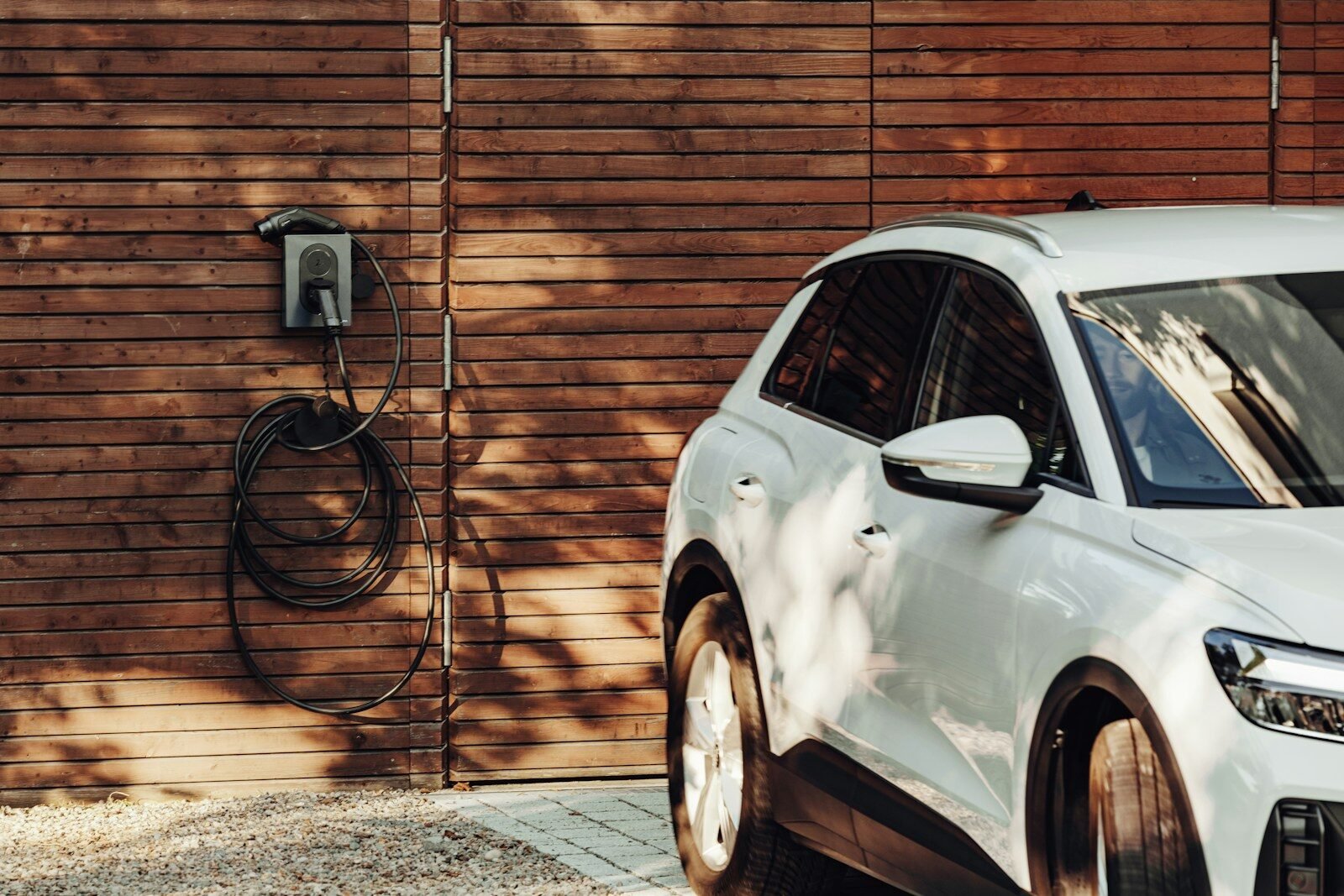
Electric vehicles (EVs) are changing the way people think about transportation. They offer lower running costs, zero tailpipe emissions, and a smooth driving experience. One of the biggest advantages of owning an electric vehicle is that it requires far less maintenance than a traditional gasoline-powered car. However, “less maintenance” does not mean “no maintenance.”
Like any vehicle, an EV needs regular care to ensure it performs efficiently, remains safe, and lasts for many years. In this guide, you’ll learn the essential maintenance tasks every electric vehicle owner should follow.
Why EV Maintenance Is Different
Unlike gasoline-powered vehicles, electric cars don’t have components such as engine oil, spark plugs, fuel filters, or exhaust systems. This means many common maintenance jobs simply don’t exist.
Instead, EV maintenance focuses on keeping the battery, tires, brakes, cooling system, and software in excellent condition.
Because electric motors have fewer moving parts, they experience less mechanical wear, making EVs more reliable over time.
Monitor Battery Health
The battery is the most valuable and important component of an electric vehicle.
Modern EV batteries are designed to last for many years, but proper care helps maximize their lifespan.
To protect battery health:
- Avoid keeping the battery at 100% charge for long periods unless necessary.
- Try not to let the battery drain completely on a regular basis.
- Park in shaded or covered areas during extremely hot weather.
- Use manufacturer-approved charging equipment.
- Follow recommended charging habits.
Most EV manufacturers provide battery warranties of 8 to 10 years, giving owners confidence in long-term performance.
Charge Your EV Properly
Charging habits can have a significant impact on battery life.
For everyday driving, charging the battery to around 80–90% is often recommended, while charging to 100% is useful before long trips.
Using Level 2 home charging is convenient and helps maintain consistent battery performance. DC fast charging is excellent for road trips but should not be the primary charging method every day, as frequent fast charging may increase battery stress over time.
Following smart charging practices helps preserve battery efficiency for years.
Inspect Tires Regularly
Electric vehicles are generally heavier than gasoline cars because of their battery packs. This extra weight can increase tire wear.
Check tire pressure at least once a month.
Properly inflated tires provide:
- Better energy efficiency
- Improved handling
- Longer tire life
- Increased safety
Rotate your tires according to the manufacturer’s recommended schedule to promote even tread wear.
Replace tires when tread depth becomes too low or if damage is visible.
Take Care of the Braking System
Electric vehicles use regenerative braking, which slows the car while sending energy back to the battery.
Because regenerative braking reduces the use of traditional brakes, brake pads usually last much longer than those in gasoline vehicles.
However, regular brake inspections are still important.
Check for:
- Brake fluid condition
- Rust on brake discs
- Brake pad wear
- Unusual noises
- Vibrations during braking
Routine inspections ensure maximum stopping performance and safety.
Keep Software Updated
Modern electric vehicles rely heavily on advanced software.
Manufacturers frequently release software updates that improve:
- Battery management
- Charging performance
- Navigation systems
- Driver assistance features
- Energy efficiency
- Security systems
Some updates can be installed automatically over the air, while others may require a visit to a service center.
Keeping your software current ensures the vehicle performs at its best.
Check the Cooling System
Many electric vehicles use liquid cooling systems to maintain proper battery temperature.
The cooling system helps protect the battery during charging and driving, especially in extreme weather.
Inspect coolant levels according to the manufacturer’s maintenance schedule and replace coolant when recommended.
A healthy cooling system helps extend battery life and improve charging performance.
Replace Cabin Air Filters
Although EVs don’t require engine air filters, they still use cabin air filters.
The cabin air filter removes dust, pollen, and other airborne particles before air enters the passenger compartment.
Replace the filter every 12 to 24 months or according to your manufacturer’s recommendations.
A clean cabin filter improves interior air quality and keeps the heating and air conditioning system operating efficiently.
Inspect Lights and Wipers
Visibility is essential for safe driving.
Regularly inspect:
- Headlights
- Brake lights
- Turn signals
- Reverse lights
- Fog lights
- Windshield wiper blades
Replace worn wiper blades when they begin leaving streaks or making noise.
Also keep windshield washer fluid topped up for clear visibility during poor weather.
Wash Your EV Frequently
Keeping your electric vehicle clean protects both its appearance and its value.
Wash the exterior regularly to remove:
- Dirt
- Salt
- Bird droppings
- Tree sap
- Road grime
Waxing the paint every few months provides additional protection against sunlight and moisture.
Don’t forget to clean the charging port area carefully according to the manufacturer’s instructions.
Monitor Charging Equipment
If you charge your EV at home, inspect the charging cable and connector periodically.
Look for:
- Cracks
- Loose connections
- Frayed cables
- Dirt or moisture
Never use damaged charging equipment.
Proper care of your charging system improves safety and ensures reliable charging.
Prepare for Seasonal Weather
Different weather conditions affect electric vehicle performance.
Summer Care
- Park in shaded areas when possible.
- Avoid exposing the battery to extreme heat for extended periods.
- Use cabin pre-cooling while connected to the charger.
Winter Care
- Preheat the cabin while plugged in.
- Keep tires properly inflated.
- Expect slightly reduced driving range due to cold temperatures.
- Remove snow and ice from charging ports before charging.
Seasonal preparation helps maintain battery efficiency and overall vehicle performance.
Benefits of Routine EV Maintenance
Maintaining your electric vehicle provides several long-term advantages.
These include:
- Longer battery lifespan
- Better driving range
- Improved safety
- Lower repair costs
- Greater reliability
- Higher resale value
- Consistent charging performance
Even though EVs require less maintenance than traditional cars, regular inspections remain essential.
Common EV Maintenance Myths
Some people believe electric vehicles require no maintenance at all.
This is not true.
While EVs eliminate many traditional engine services, they still require attention to tires, brakes, suspension, cooling systems, filters, and software.
Another common myth is that EV batteries need frequent replacement. In reality, modern batteries are designed to last for hundreds of thousands of kilometers with proper care.
Conclusion
Electric vehicles offer a simpler and more efficient ownership experience than gasoline-powered cars, but routine maintenance is still essential. By caring for the battery, monitoring tire condition, inspecting brakes, maintaining charging equipment, and keeping software updated, you can maximize your EV’s performance and lifespan.
As electric vehicles continue to grow in popularity, understanding proper maintenance practices will help owners enjoy lower operating costs, greater reliability, and a smoother driving experience for many years. Investing a little time in preventive maintenance today will ensure your electric vehicle remains dependable and efficient well into the future.