
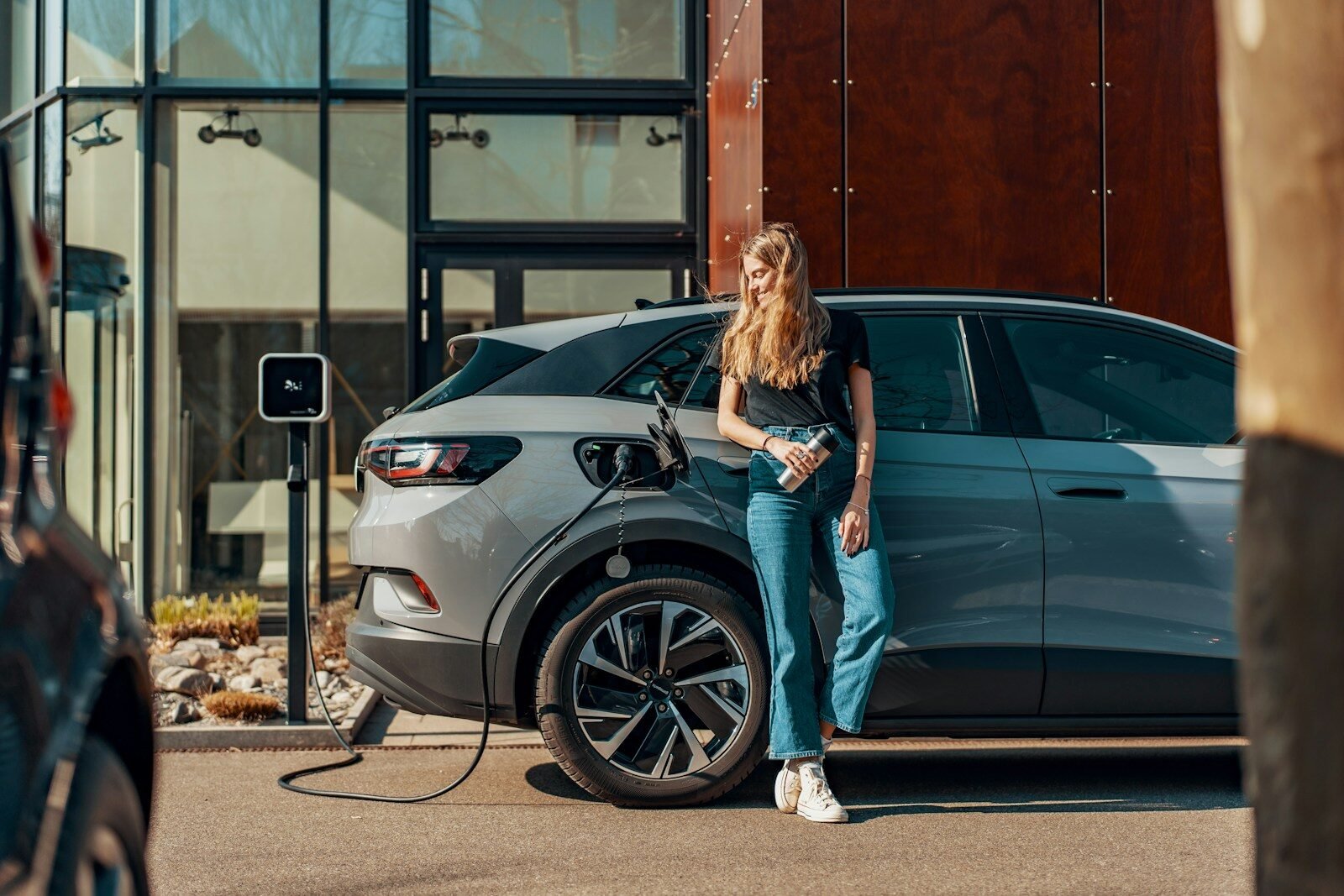
Electric vehicles (EVs) are becoming a popular choice for drivers who want lower fuel costs, reduced emissions, and modern driving technology. While many people understand the benefits of owning an EV, charging remains one of the most frequently asked questions. How long does it take? Where can you charge? What type of charger is best?
Understanding how EV charging works can help new owners enjoy a hassle-free driving experience. This guide covers everything you need to know about charging an electric vehicle, from home charging to public fast chargers and tips for maximizing battery efficiency.
What Is EV Charging?
Unlike gasoline-powered vehicles that require fuel, electric vehicles store energy in rechargeable batteries. Charging simply means transferring electricity from a power source into the vehicle’s battery.
The charging process is managed by the vehicle’s onboard charging system, which ensures the battery receives power safely and efficiently.
Depending on the charging method, filling the battery can take anywhere from less than an hour to overnight.
Types of EV Chargers
There are three main levels of EV charging, each offering different charging speeds.
Level 1 Charging
Level 1 charging uses a standard household electrical outlet.
This is the slowest charging option and is best suited for drivers with short daily commutes.
Advantages include:
- No special installation required
- Low setup cost
- Convenient for overnight charging
However, a full charge may take 20 to 40 hours depending on battery size.
Level 2 Charging
Level 2 charging requires a dedicated charging unit installed at home or available at public charging stations.
It is the most popular charging option for EV owners because it offers a balance between convenience and speed.
Benefits include:
- Much faster charging
- Ideal for overnight home charging
- Commonly available at shopping centers, hotels, and workplaces
Most electric vehicles can be fully charged within 4 to 10 hours using a Level 2 charger.
DC Fast Charging
DC Fast Charging is the quickest charging option available.
Instead of relying on the vehicle’s onboard charger, these stations send high-power electricity directly to the battery.
Advantages include:
- Rapid charging during long trips
- Recharge up to 80% battery capacity in about 20–45 minutes
- Available along highways and major travel routes
Because of the high charging speed, frequent use should be balanced with regular Level 2 charging to support long-term battery health.
Home Charging
Many EV owners prefer charging at home because it is simple and convenient.
Installing a Level 2 charger allows drivers to recharge overnight while they sleep.
Benefits of home charging include:
- Lower electricity costs
- Daily convenience
- No waiting in line
- Full battery every morning
Some utility companies even offer discounted electricity rates during off-peak hours, helping reduce charging expenses.
Public Charging Stations
Public charging stations continue to expand as electric vehicle adoption grows.
You can commonly find chargers at:
- Shopping malls
- Office buildings
- Restaurants
- Hotels
- Parking garages
- Highway service areas
- Airports
Many navigation systems and smartphone apps can locate nearby charging stations and display their availability in real time.
How Long Does Charging Take?
Charging time depends on several factors.
These include:
- Battery size
- Charger type
- Current battery level
- Weather conditions
- Vehicle charging capacity
For example:
- Level 1 charging: 20–40 hours
- Level 2 charging: 4–10 hours
- DC Fast Charging: 20–45 minutes for about 80% charge
Larger batteries naturally require more time to recharge.
Factors That Affect Charging Speed
Several conditions can influence charging performance.
Battery Temperature
Very hot or cold temperatures may reduce charging speed as the battery management system protects the battery.
Battery State of Charge
Charging slows down as the battery approaches full capacity. This is normal and helps preserve battery health.
Charger Output
Higher-powered chargers deliver electricity more quickly, provided the vehicle supports the charger’s maximum output.
Charging Costs
Charging an EV is generally less expensive than buying gasoline.
The total cost depends on:
- Local electricity prices
- Charging location
- Time of day
- Battery capacity
Home charging is usually the most affordable option, while some public fast chargers may cost more due to their convenience and speed.
Many businesses also provide free charging as an added service for customers and employees.
Tips for Efficient EV Charging
Following smart charging habits can improve battery life and reduce costs.
Helpful tips include:
- Charge regularly instead of waiting for the battery to become completely empty.
- Use Level 2 charging for everyday driving.
- Reserve DC fast charging mainly for road trips.
- Avoid leaving the battery fully charged for long periods if you are not driving.
- Park in shaded areas during hot weather whenever possible.
These simple practices help maintain battery performance over the long term.
Common Charging Myths
There are many misconceptions about EV charging.
Myth 1: EVs Take Too Long to Charge
While home charging takes several hours, most owners charge overnight while sleeping, making charging convenient for daily use.
Myth 2: Public Chargers Are Difficult to Find
Charging networks have expanded significantly in recent years, with thousands of new stations being installed worldwide.
Myth 3: Fast Charging Always Damages Batteries
Modern battery management systems carefully regulate charging. Occasional fast charging is completely safe, though regular home charging is recommended for everyday use.
Planning Long-Distance Trips
Road trips in an electric vehicle require a little more planning than in a gasoline car.
Before traveling:
- Identify charging stations along your route.
- Allow extra time for charging stops.
- Check charger availability using mobile apps.
- Charge to full before starting long journeys.
- Consider weather conditions, as extreme temperatures may affect driving range.
With proper planning, long-distance EV travel is becoming increasingly convenient.
Future of EV Charging
Charging technology continues to evolve rapidly.
Future developments include:
- Ultra-fast charging stations
- Wireless charging systems
- Solar-powered charging
- Smart home energy integration
- Vehicle-to-home (V2H) technology
- Vehicle-to-grid (V2G) energy sharing
These innovations will make electric vehicle ownership even more practical and efficient.
Why Charging Infrastructure Matters
A reliable charging network encourages more people to switch to electric vehicles.
Governments and private companies are investing heavily in expanding charging stations to make EV ownership easier.
As charging becomes more accessible, concerns about range and convenience will continue to decrease.
Conclusion
Charging an electric vehicle is much simpler than many people expect. Whether charging overnight at home or using public fast chargers during long trips, today’s EV charging options provide flexibility for every type of driver.
By understanding the different charging levels, following good charging habits, and planning ahead for longer journeys, EV owners can enjoy reliable transportation with lower operating costs and reduced environmental impact. As charging technology continues to improve, electric vehicles are becoming an increasingly practical choice for drivers around the world.