
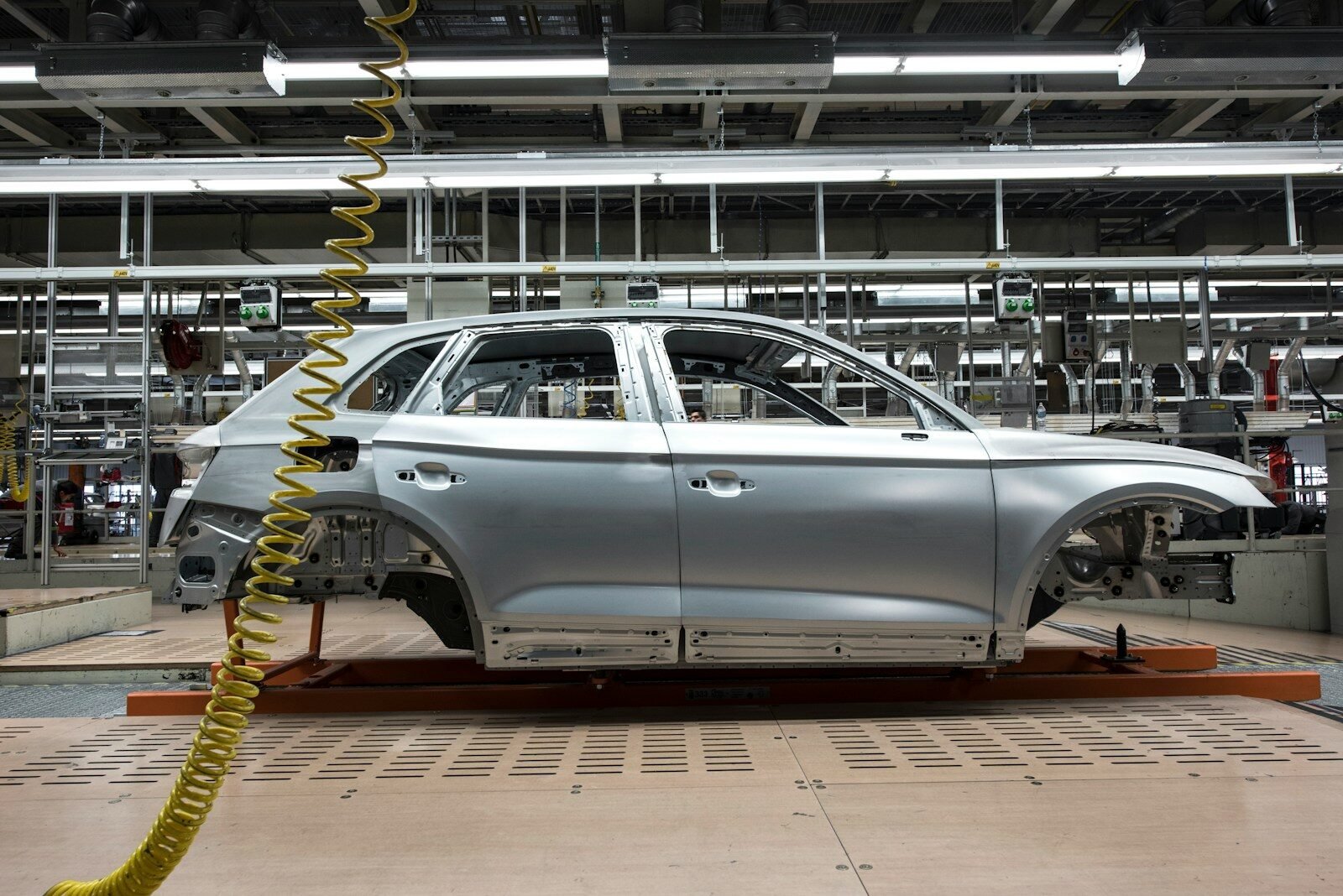
The automotive industry is entering a new era of innovation, driven by advanced technology, environmental concerns, and changing consumer expectations. Every year, manufacturers introduce smarter vehicles with improved safety, better fuel efficiency, and cutting-edge features that make driving more enjoyable. In 2026, the industry continues to evolve rapidly as electric vehicles, artificial intelligence, and connected car technologies become more common.
Keeping up with the latest auto news helps buyers, enthusiasts, and professionals understand the direction of the automotive world. From new vehicle launches to advancements in battery technology, this article highlights the most important developments shaping the future of transportation.
Electric Vehicles Continue to Expand
Electric vehicles (EVs) remain one of the hottest topics in the automotive industry. Nearly every major manufacturer now offers electric models, giving consumers more choices than ever before.
Modern EVs provide:
- Longer battery range
- Faster charging
- Lower maintenance costs
- Instant acceleration
- Quiet driving experience
As charging stations become more widespread, electric vehicles are becoming practical for both city driving and long-distance travel.
Hybrid Technology Is Still in Demand
While fully electric cars are gaining popularity, hybrid vehicles continue to attract buyers who want improved fuel efficiency without worrying about charging infrastructure.
Hybrid cars automatically switch between gasoline and electric power to maximize efficiency. They are especially useful for drivers who frequently travel long distances.
Smarter Vehicle Technology
Cars are no longer just machines—they are becoming intelligent digital devices.
Many 2026 models now include:
- AI-powered voice assistants
- Cloud-based navigation
- Wireless software updates
- Smartphone integration
- Digital dashboards
- Personalized driver profiles
These technologies improve convenience while making driving safer and more connected.
Safety Features Reach New Levels
Vehicle safety continues to improve every year. Manufacturers now include advanced driver assistance systems even in many affordable models.
Popular safety technologies include:
- Automatic Emergency Braking
- Lane Keeping Assist
- Blind Spot Monitoring
- Rear Cross-Traffic Alert
- Adaptive Cruise Control
- Driver Fatigue Detection
These systems help prevent accidents and provide greater confidence behind the wheel.
SUV Market Remains Strong
SUVs continue to dominate global car sales because of their versatility and practicality.
Reasons for their popularity include:
- Spacious cabins
- Comfortable seating
- Large cargo areas
- Higher driving position
- Better visibility
- Family-friendly design
Manufacturers continue introducing compact, midsize, luxury, hybrid, and electric SUVs to meet growing demand.
Luxury Features Become Standard
Technology that was once limited to expensive luxury cars is now available in many affordable vehicles.
Common premium features now include:
- Wireless charging
- Panoramic sunroof
- Ventilated seats
- Heated steering wheel
- Large touchscreen displays
- Premium audio systems
- Ambient interior lighting
Consumers now receive greater value even when purchasing mid-range vehicles.
Faster Battery Charging
Battery technology continues to improve rapidly.
The latest EV batteries offer:
- Longer lifespan
- Higher efficiency
- Shorter charging times
- Better cold-weather performance
- Increased driving range
Researchers are also working on solid-state batteries, which may significantly improve electric vehicle performance in the future.
Connected Cars Become More Common
Connected vehicle technology allows drivers to communicate with their vehicles remotely.
Popular connected features include:
- Remote engine start
- Live vehicle tracking
- Maintenance reminders
- Remote door locking
- Over-the-air software updates
- Emergency roadside assistance
These innovations improve convenience and reduce unexpected maintenance issues.
Artificial Intelligence Is Changing Driving
Artificial Intelligence has become an important part of modern automobiles.
AI is now used for:
- Voice recognition
- Driver monitoring
- Predictive maintenance
- Navigation optimization
- Automatic parking
- Smart traffic routing
These systems make driving more efficient while enhancing road safety.
Fuel Efficiency Improves
Automakers continue developing engines that consume less fuel while delivering better performance.
New improvements include:
- Turbocharged engines
- Mild hybrid systems
- Lightweight materials
- Better aerodynamics
- Improved automatic transmissions
Lower fuel consumption benefits both consumers and the environment.
Sustainable Manufacturing
Automotive companies are reducing their environmental impact by adopting greener production methods.
Manufacturers now focus on:
- Recycling materials
- Renewable energy
- Eco-friendly factories
- Reduced carbon emissions
- Sustainable supply chains
These initiatives support global efforts to create a cleaner future.
Online Car Shopping Continues to Grow
Buying a car has become easier thanks to digital platforms.
Customers can now:
- Compare vehicles online
- View virtual showrooms
- Apply for financing
- Schedule test drives
- Reserve vehicles
- Complete paperwork digitally
Online shopping saves time and gives buyers access to more information before making a decision.
Future Trends in the Automotive Industry
Experts predict several exciting developments in the coming years:
- Fully autonomous vehicles
- Expanded EV charging networks
- Solid-state batteries
- Hydrogen-powered vehicles
- AI-driven traffic management
- Vehicle-to-vehicle communication
- Smart city transportation systems
These technologies will continue transforming how people travel.
Tips for Car Buyers
Before purchasing your next vehicle, remember to:
- Compare multiple models.
- Read expert reviews.
- Check safety ratings.
- Evaluate fuel efficiency.
- Consider long-term maintenance costs.
- Review warranty coverage.
- Take a thorough test drive.
Making an informed decision can help you enjoy your vehicle for many years.
Conclusion
The automotive industry is moving toward a smarter, cleaner, and more connected future. Electric vehicles, hybrid technology, artificial intelligence, advanced safety systems, and digital services are changing the way people drive and own cars. Manufacturers continue investing in innovation to provide better performance, improved efficiency, and enhanced comfort for drivers worldwide.
Whether you are planning to purchase a new vehicle or simply enjoy following automotive developments, staying updated with the latest auto news helps you understand the trends shaping the future of transportation. As technology continues to advance, drivers can expect safer, more efficient, and more environmentally friendly vehicles than ever before.