
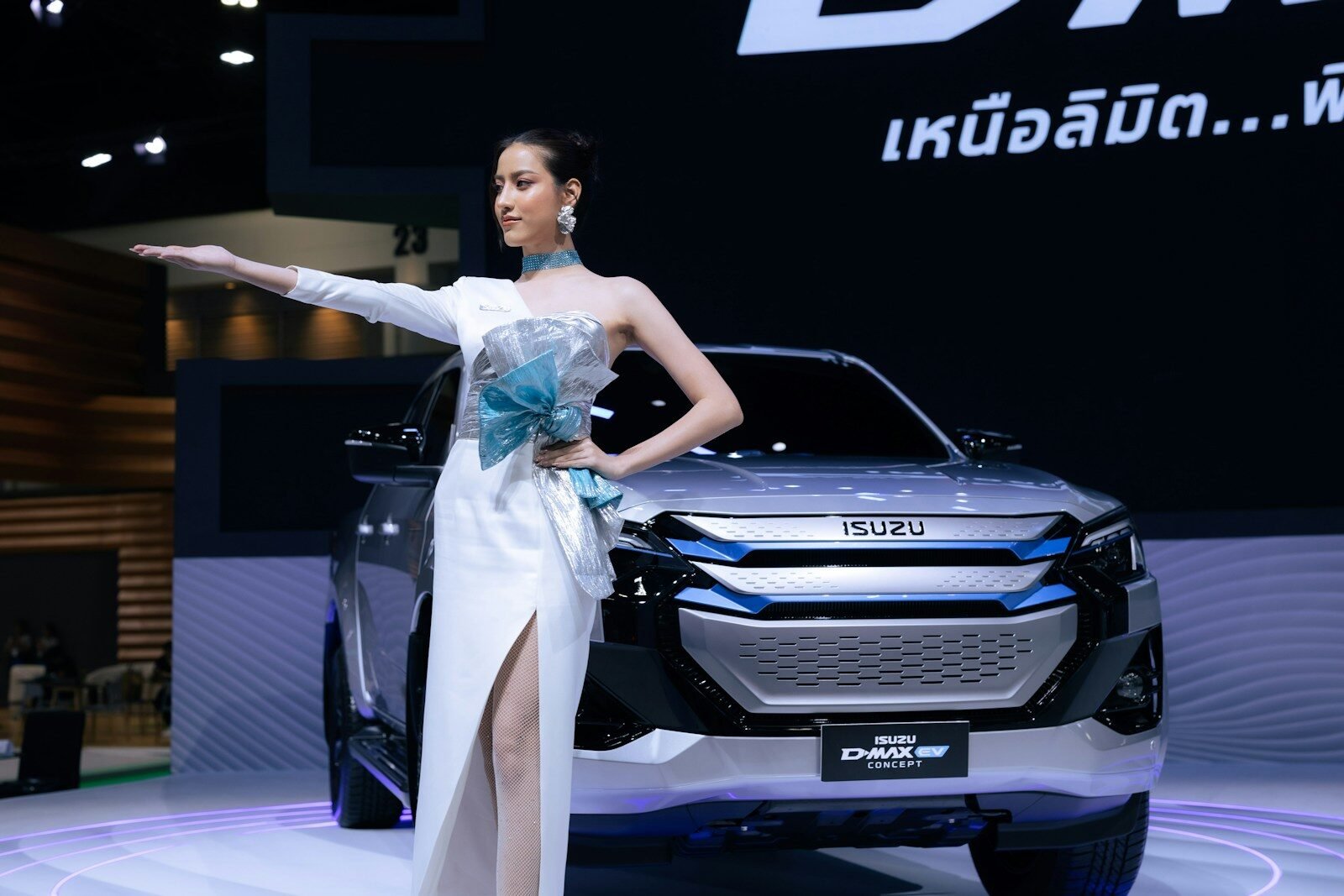
The automotive industry is evolving at an incredible pace. From electric vehicles and autonomous driving technology to smart connectivity and advanced safety systems, 2026 is proving to be an exciting year for car enthusiasts and everyday drivers alike. Automakers around the world are introducing innovative models, investing in cleaner transportation, and adopting cutting-edge technologies to meet changing consumer demands.
Whether you are planning to buy a new car or simply enjoy following the latest automotive developments, staying updated with auto news can help you understand where the industry is heading. This article explores the biggest trends shaping the future of transportation in 2026.
The Rise of Electric Vehicles
Electric vehicles (EVs) continue to dominate the automotive market. More manufacturers are launching fully electric models that offer longer driving ranges, faster charging times, and improved performance.
Consumers are choosing EVs because they provide several benefits, including:
- Zero tailpipe emissions
- Lower running costs
- Quiet driving experience
- Reduced maintenance
- Advanced technology features
Governments in many countries are also supporting EV adoption by expanding charging infrastructure and offering incentives for buyers.
Hybrid Vehicles Remain Popular
While electric cars continue to grow, hybrid vehicles remain an excellent option for drivers who want improved fuel efficiency without depending entirely on charging stations.
Modern hybrid cars combine gasoline engines with electric motors to reduce fuel consumption while maintaining long driving ranges. Many manufacturers now offer hybrid versions of their most popular SUVs and sedans.
Smart Cars Become Smarter
Today’s vehicles are becoming more connected than ever.
Modern smart cars include features such as:
- Voice assistants
- Wireless software updates
- Smartphone integration
- Remote vehicle monitoring
- Cloud connectivity
- AI-powered navigation
These technologies improve convenience while creating a more personalized driving experience.
Artificial Intelligence in Automobiles
Artificial Intelligence (AI) is transforming the way vehicles operate.
AI technology is now used for:
- Driver assistance
- Predictive maintenance
- Traffic prediction
- Voice recognition
- Automatic parking
- Navigation optimization
Automakers continue investing in AI to improve both safety and driving comfort.
Advanced Driver Assistance Systems
Safety remains a top priority for vehicle manufacturers.
Many new models now include advanced driver assistance systems (ADAS), such as:
- Automatic Emergency Braking
- Adaptive Cruise Control
- Lane Keeping Assist
- Blind Spot Monitoring
- Traffic Sign Recognition
- Driver Attention Monitoring
These systems help reduce accidents and provide additional confidence for drivers.
SUV Sales Continue to Grow
Sport Utility Vehicles (SUVs) remain one of the fastest-growing segments in the global automotive market.
Drivers prefer SUVs because they offer:
- Spacious interiors
- Higher driving position
- Large cargo capacity
- Family-friendly design
- Excellent road visibility
Manufacturers continue expanding their SUV lineups by introducing compact, midsize, hybrid, and electric models.
Improved Battery Technology
Battery technology has improved significantly in recent years.
Modern EV batteries now provide:
- Longer driving ranges
- Faster charging
- Better durability
- Increased efficiency
- Improved safety
Researchers continue developing next-generation battery technology to reduce charging time while increasing performance.
Connected Vehicle Technology
Connected vehicles communicate with smartphones, cloud services, and other digital systems.
Popular connected features include:
- Live traffic updates
- Remote engine start
- Vehicle tracking
- Over-the-air software updates
- Emergency assistance
- Remote diagnostics
These innovations make vehicle ownership more convenient than ever.
Sustainable Manufacturing
Automotive companies are also focusing on environmentally friendly production methods.
Many manufacturers now use:
- Recycled materials
- Renewable energy
- Eco-friendly factories
- Sustainable supply chains
- Water-saving production techniques
Reducing environmental impact has become a major goal throughout the industry.
Luxury Features Become More Affordable
Many premium features that were once available only in luxury cars are now appearing in affordable vehicles.
These include:
- Panoramic sunroofs
- Wireless charging
- Digital instrument clusters
- Heated seats
- Ventilated seats
- Large infotainment displays
- Premium sound systems
Consumers now enjoy greater comfort without paying luxury-car prices.
Growth of Autonomous Driving
Self-driving technology continues to develop rapidly.
Although fully autonomous vehicles are not yet common on public roads, manufacturers are introducing features that support semi-autonomous driving.
Examples include:
- Highway driving assistance
- Automatic lane changes
- Traffic jam assist
- Self-parking systems
These technologies reduce driver workload while improving safety.
Improved Fuel Efficiency
Manufacturers continue improving engine efficiency through advanced engineering.
New technologies include:
- Turbocharged engines
- Lightweight materials
- Better aerodynamics
- Improved transmissions
- Hybrid powertrains
These improvements help reduce fuel consumption while maintaining strong performance.
Digital Car Buying Experience
Buying a vehicle has become easier thanks to online technology.
Many dealerships now allow customers to:
- Compare models online
- Schedule test drives
- Apply for financing
- Calculate monthly payments
- Complete paperwork digitally
- Arrange home delivery
The digital buying experience saves time and provides greater convenience.
Future Automotive Trends
Experts believe the automotive industry will continue evolving through innovations such as:
- Fully autonomous vehicles
- Solid-state batteries
- AI-powered driving assistants
- Expanded charging networks
- Hydrogen-powered vehicles
- Vehicle-to-vehicle communication
- Smart city integration
These technologies could completely transform transportation over the next decade.
Conclusion
The automotive industry in 2026 is experiencing one of the most exciting periods in its history. Electric vehicles, hybrid technology, artificial intelligence, advanced safety systems, and connected car features are changing how people drive and interact with their vehicles. At the same time, manufacturers are investing in sustainable production methods and developing smarter, safer, and more efficient transportation solutions.
For consumers, staying informed about the latest auto news is essential when purchasing a new vehicle or understanding future trends. Whether you are interested in electric cars, family SUVs, luxury sedans, or emerging automotive technologies, the future of transportation looks brighter, cleaner, and more innovative than ever before.