
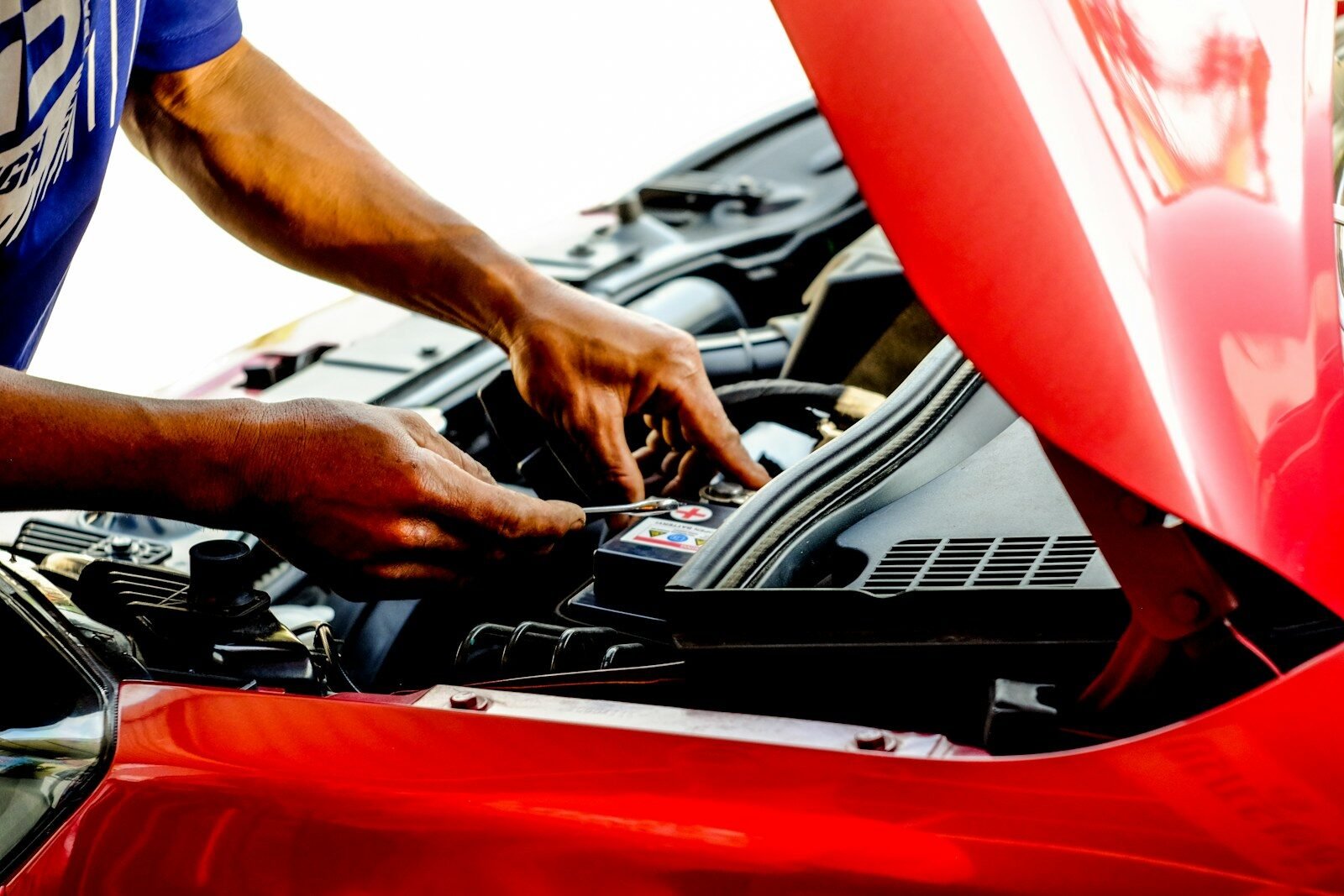
Car maintenance is essential for keeping your vehicle safe, reliable, and efficient. While many drivers understand the importance of routine servicing, they often make simple mistakes that can lead to costly repairs. These errors may seem minor at first, but over time they can reduce your car’s performance, shorten its lifespan, and even compromise your safety on the road.
Whether you’re a new driver or have years of experience behind the wheel, avoiding these common car maintenance mistakes can save you money and help your vehicle stay in excellent condition.
1. Ignoring the Check Engine Light
One of the biggest mistakes drivers make is ignoring the check engine light. Many people continue driving, hoping the warning will disappear on its own. However, this light indicates that your vehicle has detected a problem that needs attention.
The issue could be something as simple as a loose gas cap or as serious as engine misfires or catalytic converter failure.
If the check engine light appears, schedule a diagnostic inspection as soon as possible. Early repairs are usually less expensive than fixing major damage later.
2. Skipping Regular Oil Changes
Engine oil lubricates moving parts, reduces friction, and keeps the engine cool. Over time, oil becomes dirty and loses its effectiveness.
Skipping oil changes can cause:
- Increased engine wear
- Poor fuel economy
- Engine overheating
- Reduced performance
- Costly engine repairs
Always follow the oil change interval recommended by your vehicle manufacturer and use the correct type of oil.
3. Driving with Low Tire Pressure
Many drivers rarely check their tire pressure unless a warning light appears. Unfortunately, underinflated tires wear out faster and reduce vehicle performance.
Low tire pressure can result in:
- Poor fuel efficiency
- Uneven tire wear
- Reduced handling
- Longer braking distances
- Higher risk of tire blowouts
Check your tire pressure at least once a month using a reliable tire pressure gauge.
4. Neglecting Brake Maintenance
Brakes are one of the most critical safety systems in any vehicle. Ignoring warning signs can put you and other road users at risk.
Watch for these signs:
- Squealing noises
- Grinding sounds
- Vibrations while braking
- Soft brake pedal
- Increased stopping distance
Brake pads naturally wear down over time and should be replaced before they damage the brake rotors.
5. Forgetting to Replace Air Filters
Your car has both an engine air filter and a cabin air filter.
A dirty engine air filter restricts airflow, causing reduced engine performance and lower fuel economy.
A clogged cabin air filter reduces airflow from the air conditioning system and affects the quality of air inside your vehicle.
Replacing these filters regularly helps your car run more efficiently while improving passenger comfort.
6. Ignoring Fluid Levels
Modern vehicles rely on several important fluids to operate properly.
These include:
- Engine oil
- Coolant
- Brake fluid
- Transmission fluid
- Power steering fluid
- Windshield washer fluid
Low fluid levels can cause overheating, transmission problems, steering issues, or brake failure.
Inspect fluid levels regularly and top them up when necessary.
7. Delaying Battery Replacement
Car batteries don’t last forever. Most batteries remain reliable for three to five years.
Common signs of a weak battery include:
- Slow engine starting
- Dim headlights
- Flickering dashboard lights
- Electrical system problems
Cleaning battery terminals and replacing an aging battery before it fails can prevent unexpected breakdowns.
8. Washing the Car Too Infrequently
Some drivers believe washing a car is only about appearance, but regular cleaning also protects your vehicle.
Road salt, mud, dust, bird droppings, and tree sap can damage paint and cause corrosion.
To protect your investment:
- Wash your car regularly.
- Apply wax every few months.
- Clean the wheels thoroughly.
- Vacuum the interior.
- Remove trash and moisture.
A clean vehicle maintains its value and looks newer for longer.
9. Using Cheap Replacement Parts
Choosing the cheapest replacement parts may save money initially, but poor-quality components often wear out quickly.
Low-quality parts can affect:
- Engine performance
- Braking efficiency
- Suspension durability
- Fuel economy
Whenever possible, use original equipment manufacturer (OEM) or high-quality aftermarket parts from trusted brands.
Quality parts usually provide better reliability and longer service life.
10. Ignoring the Owner’s Manual
Many vehicle owners never read the owner’s manual, yet it contains valuable maintenance information.
The manual provides guidance on:
- Oil specifications
- Tire pressure
- Maintenance intervals
- Recommended fluids
- Warning light meanings
- Service schedules
Following the manufacturer’s recommendations helps keep your vehicle operating at its best.
Additional Car Care Tips
Besides avoiding common mistakes, adopting a few good habits can greatly improve your vehicle’s health.
These include:
- Rotate tires regularly.
- Replace windshield wiper blades every year.
- Inspect belts and hoses.
- Keep your fuel tank at least one-quarter full.
- Listen for unusual engine noises.
- Avoid aggressive driving.
- Warm up the engine briefly during cold weather.
- Schedule professional inspections annually.
These simple habits can prevent many mechanical problems before they develop.
Why Preventive Maintenance Saves Money
Many drivers postpone maintenance because they want to avoid spending money. Ironically, delaying small repairs often leads to much larger expenses.
For example:
Replacing engine oil costs far less than replacing an entire engine.
Installing new brake pads is significantly cheaper than replacing damaged brake rotors.
Checking tire pressure takes only a few minutes but can extend tire life by thousands of miles.
Preventive maintenance helps you avoid emergency repairs while improving your vehicle’s reliability.
Building a Maintenance Routine
The easiest way to care for your vehicle is to develop a simple maintenance schedule.
Every Month:
- Check engine oil.
- Inspect tire pressure.
- Test lights.
- Check coolant level.
- Clean windows.
Every 6 Months:
- Rotate tires.
- Inspect brakes.
- Replace windshield wipers if needed.
- Check battery terminals.
Every Year:
- Perform a complete vehicle inspection.
- Replace air filters.
- Check suspension components.
- Inspect belts and hoses.
Keeping maintenance records also helps improve resale value when you decide to sell your vehicle.
Conclusion
Avoiding common car maintenance mistakes is one of the easiest ways to keep your vehicle running smoothly for years. Simple tasks such as changing the oil, checking tire pressure, inspecting brakes, replacing filters, and monitoring fluid levels can prevent major mechanical failures and save thousands of dollars in repair costs.
Responsible vehicle ownership isn’t just about fixing problems when they occur—it’s about preventing them in the first place. By following your manufacturer’s maintenance schedule and paying attention to early warning signs, you can enjoy safer driving, better fuel efficiency, and a longer-lasting vehicle.
Remember, a well-maintained car is more dependable, more economical, and far more enjoyable to drive. Investing a little time in regular maintenance today can help you avoid expensive repairs tomorrow.