
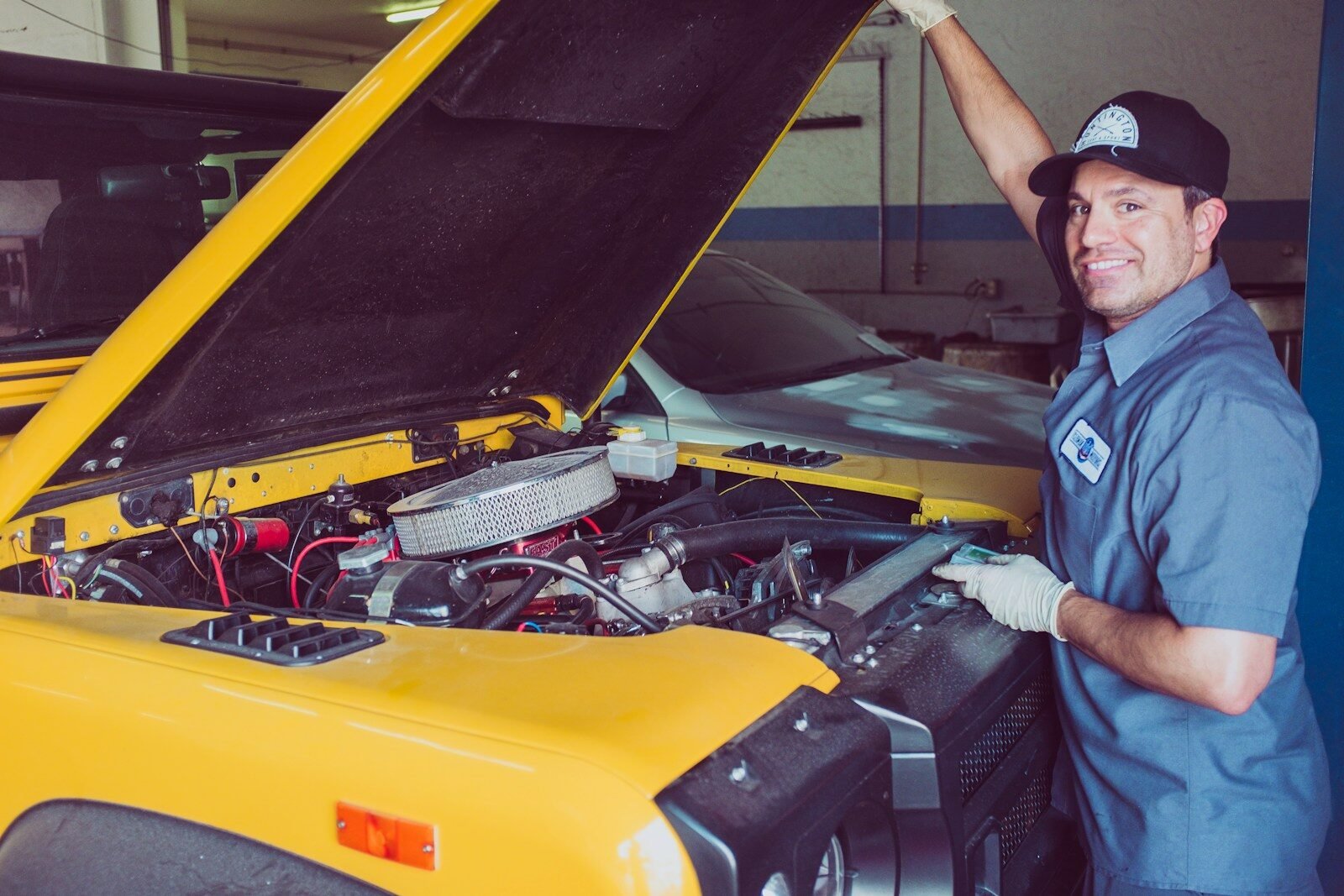
Owning a car is a major investment, and proper maintenance is the key to protecting that investment. Whether you drive a brand-new vehicle or an older model, regular maintenance ensures better performance, improved safety, higher fuel efficiency, and a longer lifespan. Ignoring basic maintenance can lead to expensive repairs and unexpected breakdowns that could have been easily avoided.
In this guide, we’ll cover the most important aspects of car maintenance and explain how simple habits can help keep your vehicle in excellent condition for years to come.
Why Car Maintenance Matters
Routine car maintenance is about more than just keeping your vehicle clean. Every component of your car works together to provide a smooth and safe driving experience. Over time, parts naturally wear out, fluids become dirty, and systems require inspection.
Benefits of regular car maintenance include:
- Improved engine performance
- Better fuel economy
- Increased vehicle reliability
- Enhanced driving safety
- Lower repair costs
- Higher resale value
- Longer vehicle lifespan
Following your manufacturer’s maintenance schedule is one of the smartest decisions any car owner can make.
Check Your Engine Oil Regularly
Engine oil is often called the lifeblood of your vehicle. It lubricates engine components, reduces friction, and helps control engine temperature.
You should:
- Check the oil level at least once a month.
- Replace engine oil according to the manufacturer’s recommendations.
- Use the correct oil grade for your vehicle.
- Replace the oil filter during every oil change.
Driving with low or dirty engine oil can cause severe engine damage that may cost thousands of dollars to repair.
Maintain Proper Tire Pressure
Your tires are the only part of the car that touches the road. Proper tire care improves handling, braking, and fuel efficiency.
Important tire maintenance tips include:
- Check tire pressure every two weeks.
- Inflate tires to the recommended PSI.
- Rotate tires every 5,000–8,000 miles.
- Inspect for uneven wear.
- Replace worn-out tires promptly.
Incorrect tire pressure not only reduces fuel economy but also increases the risk of tire blowouts.
Inspect the Braking System
Your brakes are your vehicle’s most important safety feature. Never ignore unusual brake noises or changes in braking performance.
Warning signs include:
- Squealing or grinding sounds
- Vibrating brake pedal
- Soft brake pedal
- Longer stopping distances
- Brake warning light
Have brake pads, rotors, brake fluid, and calipers inspected during routine maintenance.
Replace Air Filters
Cars typically have two main air filters:
Engine Air Filter
The engine air filter prevents dirt and debris from entering the engine.
A clean filter improves:
- Engine performance
- Fuel efficiency
- Acceleration
Cabin Air Filter
The cabin air filter cleans the air entering your vehicle’s interior.
Replacing it regularly improves:
- Air conditioning performance
- Cabin air quality
- Passenger comfort
Most air filters should be replaced every 12,000 to 15,000 miles, depending on driving conditions.
Keep Coolant Levels Correct
Your engine produces tremendous heat while running. Coolant prevents overheating and protects the engine from freezing during cold weather.
Check the coolant reservoir regularly and ensure levels remain between the minimum and maximum marks.
Never open the radiator cap while the engine is hot.
Inspect Battery Health
A weak battery can leave you stranded without warning.
Signs of battery problems include:
- Slow engine cranking
- Dim headlights
- Electrical issues
- Battery warning light
Clean battery terminals regularly and replace the battery every three to five years, depending on its condition.
Monitor Transmission Fluid
Transmission fluid lubricates gears and helps the transmission shift smoothly.
Low or dirty transmission fluid may cause:
- Delayed gear shifts
- Slipping gears
- Strange noises
- Transmission overheating
Always use the manufacturer-recommended transmission fluid and follow the suggested replacement intervals.
Replace Windshield Wipers
Clear visibility is essential for safe driving.
Replace windshield wiper blades when they:
- Leave streaks
- Skip across the windshield
- Make squeaking noises
- Show signs of cracking
Most drivers replace wiper blades every six to twelve months.
Check Vehicle Lights
Inspect all exterior lights regularly, including:
- Headlights
- Brake lights
- Turn signals
- Fog lights
- Reverse lights
Working lights improve visibility and help other drivers understand your intentions on the road.
Keep Your Car Clean
Cleaning your vehicle is not just about appearance.
Wash your car regularly to remove:
- Dirt
- Mud
- Salt
- Bird droppings
- Tree sap
Waxing your vehicle every few months protects the paint and helps prevent rust.
Don’t forget to clean the interior by vacuuming carpets, wiping surfaces, and removing trash.
Listen for Unusual Sounds
Many major repairs begin with small warning signs.
Pay attention to:
- Knocking noises
- Clicking sounds
- Engine rattles
- Suspension squeaks
- Whining noises
Early diagnosis often prevents expensive repairs later.
Follow the Maintenance Schedule
Every vehicle includes a maintenance schedule in the owner’s manual.
Typical scheduled services include:
- Oil changes
- Tire rotation
- Brake inspection
- Spark plug replacement
- Belt inspection
- Coolant replacement
- Transmission service
Following this schedule keeps your warranty valid and your vehicle operating efficiently.
Seasonal Maintenance Tips
Summer
- Check coolant levels.
- Test air conditioning.
- Inspect tire pressure.
- Monitor engine temperature.
Winter
- Test battery performance.
- Use winter windshield washer fluid.
- Inspect heater operation.
- Check antifreeze protection.
Preparing your car for changing weather reduces the chances of seasonal breakdowns.
Fuel System Care
Using quality fuel helps maintain engine cleanliness.
Additional tips include:
- Avoid driving with an almost empty fuel tank.
- Replace the fuel filter when recommended.
- Consider fuel system cleaning during scheduled maintenance.
A healthy fuel system improves engine efficiency and performance.
Don’t Ignore Warning Lights
Modern vehicles are equipped with dashboard warning lights that monitor various systems.
Common warning lights include:
- Check Engine
- Oil Pressure
- Battery
- ABS
- Tire Pressure Monitoring System (TPMS)
- Coolant Temperature
Ignoring these warnings can turn a minor issue into a major repair.
Benefits of Preventive Maintenance
Preventive maintenance offers several long-term advantages:
- Reduced repair expenses
- Improved fuel efficiency
- Better driving comfort
- Enhanced road safety
- Longer engine life
- Greater reliability
- Higher resale value
Regular inspections allow mechanics to identify small issues before they become costly problems.
Final Thoughts
Car maintenance is one of the smartest investments you can make as a vehicle owner. Simple tasks like changing the engine oil, checking tire pressure, inspecting brakes, replacing filters, and monitoring fluid levels can significantly improve your car’s reliability and lifespan.
Rather than waiting for something to break, adopt a preventive maintenance routine. A well-maintained vehicle performs better, consumes less fuel, provides greater safety, and saves money over time.
Whether you use your car for daily commuting, family road trips, or business travel, consistent maintenance ensures it remains dependable whenever you need it. Treat your vehicle with care, follow the recommended service schedule, and enjoy years of smooth, trouble-free driving.