
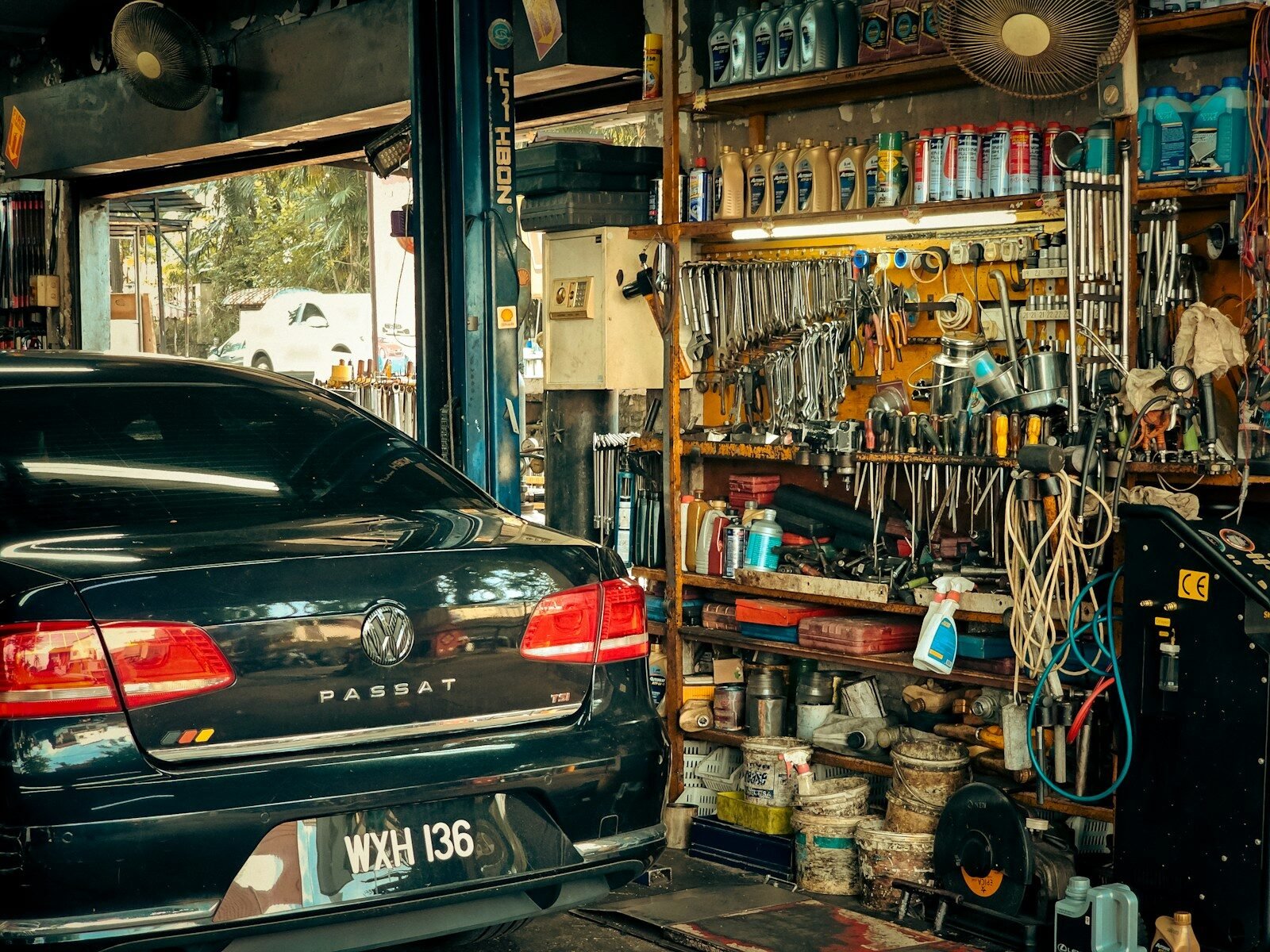
A car is one of the most valuable investments many people make, and keeping it in excellent condition requires regular care. Unfortunately, many drivers unknowingly make maintenance mistakes that reduce performance, shorten the lifespan of their vehicle, and lead to expensive repairs. The good news is that most of these problems are preventable with a little knowledge and consistency.
In this article, we’ll discuss ten common car maintenance mistakes and explain how you can avoid them to keep your vehicle running smoothly for years.
1. Ignoring the Check Engine Light
One of the biggest mistakes drivers make is ignoring the check engine light. While the issue may be minor, it can also signal a serious problem with the engine, transmission, or emissions system.
Modern vehicles use onboard diagnostics to detect problems before they become severe. If the warning light appears, have your vehicle inspected as soon as possible. Delaying repairs can turn a simple fix into a costly replacement.
2. Skipping Regular Oil Changes
Engine oil lubricates moving engine parts, reduces heat, and prevents wear. Over time, oil becomes contaminated with dirt and loses its protective properties.
Driving with old or low engine oil can cause excessive friction, overheating, and permanent engine damage.
Most vehicles require an oil change every 5,000 to 10,000 kilometers, depending on driving conditions and oil type. Always follow the maintenance schedule recommended by your vehicle manufacturer.
3. Forgetting to Check Tire Pressure
Many drivers only think about their tires when they get a flat. However, incorrect tire pressure affects fuel economy, handling, braking performance, and tire life.
Underinflated tires increase rolling resistance and wear faster, while overinflated tires reduce grip and comfort.
Use a tire pressure gauge once a month and before long trips. Keeping your tires properly inflated improves safety and saves money on fuel.
4. Neglecting Brake Maintenance
Brakes wear out gradually, making it easy to overlook the warning signs.
Common symptoms include:
- Squeaking sounds
- Grinding noises
- Vibrating brake pedal
- Longer stopping distances
- Soft brake pedal
Replacing brake pads early prevents damage to brake rotors, which are much more expensive to replace.
Regular brake inspections are essential for safe driving.
5. Ignoring Fluid Levels
Your vehicle depends on several important fluids to operate correctly.
These include:
- Engine oil
- Coolant
- Brake fluid
- Transmission fluid
- Power steering fluid
- Windshield washer fluid
Low or dirty fluids can reduce performance and damage important components. Check fluid levels regularly and replace them according to your owner’s manual.
6. Driving on Worn-Out Tires
Tires with low tread depth provide poor traction, especially on wet roads. This increases the risk of hydroplaning and longer stopping distances.
Inspect your tires regularly for:
- Uneven wear
- Cracks
- Bulges
- Cuts
- Low tread depth
Replace tires before they become unsafe. Rotating your tires every 8,000 to 10,000 kilometers also helps extend their lifespan.
7. Not Replacing Air Filters
A clogged engine air filter reduces airflow, causing poor acceleration and lower fuel efficiency.
Likewise, a dirty cabin air filter affects air quality inside the vehicle and reduces the effectiveness of the heating and air conditioning system.
Air filters are inexpensive and easy to replace, making them one of the most cost-effective maintenance tasks.
8. Washing Your Car Too Infrequently
Some drivers only wash their vehicles for appearance, but regular cleaning protects the paint and bodywork.
Road salt, mud, bird droppings, and tree sap can damage paint and lead to rust if left untreated.
Wash your vehicle every few weeks and apply wax every few months to protect the exterior finish.
Don’t forget to clean the undercarriage during winter months if you frequently drive on salted roads.
9. Ignoring Strange Sounds
Cars rarely develop problems without warning.
Pay attention to unusual sounds such as:
- Knocking
- Grinding
- Clicking
- Hissing
- Squealing
These noises often indicate worn bearings, loose belts, brake issues, or suspension problems.
Having unusual sounds inspected early can prevent expensive repairs later.
10. Delaying Scheduled Maintenance
Every vehicle manufacturer provides a maintenance schedule based on mileage or time.
Skipping scheduled services can result in:
- Reduced fuel efficiency
- Higher repair costs
- Poor engine performance
- Lower resale value
- Increased risk of breakdowns
Routine maintenance is much less expensive than replacing major engine or transmission components.
Additional Car Care Tips
Keeping your vehicle in excellent condition doesn’t require advanced mechanical knowledge. Simple habits can make a significant difference.
Helpful maintenance habits include:
- Check tire pressure monthly.
- Inspect engine oil regularly.
- Replace worn wiper blades.
- Test all lights and indicators.
- Keep the battery terminals clean.
- Avoid aggressive driving.
- Listen for unusual noises.
- Follow the manufacturer’s service schedule.
These small steps help improve reliability and reduce long-term ownership costs.
Benefits of Proper Car Maintenance
Drivers who maintain their vehicles properly enjoy several advantages.
Better Fuel Economy
A well-maintained engine operates more efficiently and uses less fuel.
Improved Safety
Reliable brakes, healthy tires, and working lights reduce the risk of accidents.
Lower Repair Costs
Fixing small issues before they become major problems saves a significant amount of money.
Longer Vehicle Lifespan
Routine maintenance reduces wear and tear, allowing your vehicle to remain dependable for many years.
Higher Resale Value
Cars with documented maintenance records are generally worth more when it’s time to sell or trade them.
Creating a Maintenance Routine
An easy way to stay on top of maintenance is by creating a simple checklist.
Every month:
- Check engine oil.
- Inspect tire pressure.
- Test all exterior lights.
- Refill washer fluid.
- Look for leaks.
Every six months:
- Rotate tires.
- Inspect brakes.
- Replace air filters if needed.
- Clean the battery terminals.
Every year:
- Schedule a full vehicle inspection.
- Replace worn wiper blades.
- Check coolant and brake fluid.
- Review the manufacturer’s maintenance schedule.
Following a routine helps prevent unexpected breakdowns and keeps your car in peak condition.
Conclusion
Car maintenance doesn’t have to be complicated or expensive. Most costly repairs happen because small issues are ignored for too long. By checking your fluids, maintaining proper tire pressure, replacing worn components, and following your vehicle’s recommended service schedule, you can enjoy better performance, improved safety, and lower ownership costs.
A little preventive maintenance today can save thousands of dollars in repairs tomorrow. Whether you drive daily or occasionally, taking care of your vehicle is the smartest way to ensure reliable transportation for years to come.