
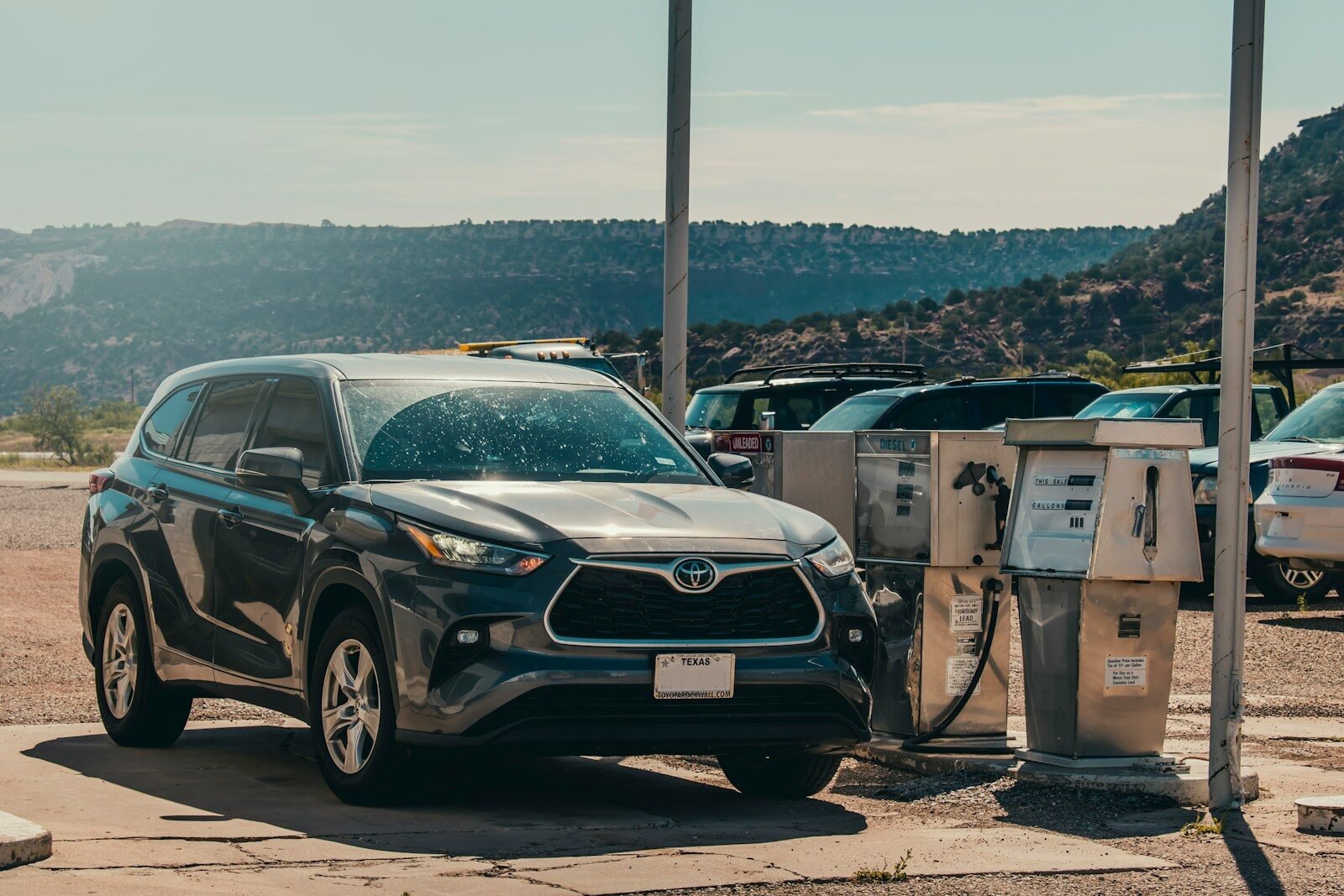
The automotive industry is changing faster than ever before. As governments encourage cleaner transportation and manufacturers invest in advanced technology, buyers now have more choices than ever. Two of the most popular options are hybrid cars and electric vehicles (EVs). Both offer better fuel efficiency and lower emissions than traditional gasoline-powered cars, but they work in different ways.
If you’re planning to buy a new vehicle in 2026, understanding the differences between hybrid and electric cars is essential. This guide compares their performance, costs, benefits, and drawbacks to help you choose the best option for your lifestyle.
What Is a Hybrid Car?
A hybrid car combines a gasoline engine with one or more electric motors. The battery is charged automatically through regenerative braking and the gasoline engine, so you don’t need to plug it into a charger.
Hybrid vehicles are designed to improve fuel efficiency while reducing harmful emissions.
Advantages of Hybrid Cars
- Excellent fuel economy
- No charging station required
- Longer driving range
- Lower emissions than gasoline cars
- Smooth city driving
- Lower fuel costs
Disadvantages of Hybrid Cars
- More expensive than traditional gasoline vehicles
- Higher maintenance costs than some gasoline cars
- Limited electric-only driving range
- Smaller battery compared to EVs
What Is an Electric Car?
An electric vehicle (EV) runs entirely on electricity and uses a rechargeable battery instead of a gasoline engine. It produces zero tailpipe emissions and must be charged using a home charger or a public charging station.
Electric vehicles are becoming increasingly popular because of their environmental benefits and lower operating costs.
Advantages of Electric Cars
- Zero tailpipe emissions
- Quiet driving experience
- Instant acceleration
- Lower maintenance requirements
- No engine oil changes
- Lower energy costs
Disadvantages of Electric Cars
- Higher purchase price
- Charging takes longer than refueling
- Limited charging infrastructure in some areas
- Driving range depends on battery size
Performance Comparison
Both hybrid and electric cars offer smooth and comfortable driving experiences.
Hybrid Performance
Hybrid vehicles automatically switch between the gasoline engine and electric motor to maximize efficiency. They provide steady acceleration and perform well in both city and highway driving.
Electric Vehicle Performance
Electric cars deliver instant torque, making them incredibly quick when accelerating from a stop. Many EVs offer impressive performance while remaining quiet and vibration-free.
Fuel and Energy Costs
One of the biggest advantages of both vehicle types is reduced operating costs.
Hybrid Cars
Hybrids consume much less fuel than conventional gasoline vehicles. Drivers can save money, especially in heavy city traffic where the electric motor is used more often.
Electric Cars
Electric vehicles eliminate fuel costs entirely. Charging a battery generally costs less than filling a fuel tank, making EVs more economical over time.
Environmental Impact
Reducing pollution is one of the main reasons people choose hybrid or electric vehicles.
Hybrid cars produce fewer emissions than gasoline vehicles because they use electric power whenever possible.
Electric vehicles produce zero tailpipe emissions, making them the cleaner choice. However, the environmental impact also depends on how the electricity is generated.
Maintenance Costs
Maintenance is an important factor when choosing a vehicle.
Hybrid Maintenance
Hybrid cars still require regular engine maintenance, including:
- Oil changes
- Air filter replacement
- Engine servicing
- Cooling system checks
Electric Vehicle Maintenance
Electric vehicles have fewer moving parts, resulting in lower maintenance costs.
Most maintenance includes:
- Tire replacement
- Brake inspection
- Battery monitoring
- Software updates
This simplicity makes EV ownership more convenient.
Charging and Refueling
Hybrid vehicles are refueled at regular gas stations, making them convenient for long-distance travel.
Electric vehicles require charging.
Charging options include:
- Home charging
- Workplace charging
- Public charging stations
- Fast chargers for long trips
Charging infrastructure continues to improve worldwide, making EV ownership easier each year.
Driving Range
Driving range remains an important consideration.
Hybrid Cars
Because hybrids use both gasoline and electricity, they often travel much farther on a full tank than conventional vehicles.
Electric Cars
Modern EVs can travel hundreds of miles on a single charge, depending on the battery size. Premium models generally offer longer ranges than entry-level vehicles.
Safety Features
Most modern hybrid and electric vehicles include advanced safety technology such as:
- Multiple airbags
- Anti-lock Braking System (ABS)
- Electronic Stability Control
- Blind Spot Monitoring
- Adaptive Cruise Control
- Lane Keeping Assist
- Automatic Emergency Braking
- Rearview Camera
Safety ratings should always be reviewed before making a purchase.
Which Vehicle Is Better for City Driving?
Electric cars are ideal for city driving because they operate quietly, produce no emissions, and have low running costs.
Hybrid cars are also excellent for urban environments because they frequently use electric power during stop-and-go traffic.
Which Vehicle Is Better for Long Trips?
Hybrid vehicles currently have an advantage for long-distance travel because they can be refueled quickly at almost any gas station.
Electric vehicles continue to improve, but long trips still require planning around charging stations.
Factors to Consider Before Buying
Before choosing between a hybrid and an electric car, ask yourself:
- What is your budget?
- How far do you drive each day?
- Are charging stations available nearby?
- Do you often travel long distances?
- What are the maintenance costs?
- Which vehicle fits your lifestyle?
Answering these questions will help you make the right decision.
Final Thoughts
Both hybrid cars and electric vehicles represent the future of transportation. Hybrid cars are an excellent choice for drivers who want better fuel economy without changing their driving habits, while electric vehicles offer zero emissions, lower maintenance costs, and an exciting driving experience.
The right choice depends on your budget, daily driving distance, and access to charging facilities. As technology continues to improve, both hybrids and EVs are becoming smarter, safer, and more efficient than ever before. By comparing your options carefully, you can choose a vehicle that meets your needs and supports a cleaner, more sustainable future.