
Owning a car is a significant investment, and proper maintenance is the key to protecting that investment. Regular car maintenance not only improves performance but also increases safety, extends the life of your vehicle, and helps you avoid expensive repairs. Whether you drive daily or only on weekends, following a consistent maintenance schedule ensures your car remains reliable in every season.
In this guide, we’ll explore the most important aspects of car maintenance and provide practical tips that every vehicle owner should know.
Why Car Maintenance Matters
Routine maintenance is about more than just keeping your car clean. It ensures that every major component works efficiently and safely. Ignoring regular maintenance can lead to reduced fuel economy, poor performance, unexpected breakdowns, and costly repairs.
Well-maintained vehicles also have a higher resale value. Buyers are more likely to trust a car that has been serviced regularly and has a documented maintenance history.
Check Engine Oil Regularly
Engine oil is the lifeblood of your vehicle. It lubricates moving parts, reduces friction, and helps regulate engine temperature. Over time, oil becomes dirty and loses its effectiveness.
Most manufacturers recommend changing engine oil every 5,000 to 10,000 kilometers, depending on the type of oil and driving conditions. Always check your owner’s manual for the recommended interval.
Signs that your oil needs changing include:
- Dark or dirty oil
- Engine noise
- Oil warning light
- Reduced engine performance
Checking the oil level once a month takes only a few minutes but can prevent serious engine damage.
Inspect Tire Condition and Pressure
Your tires are the only part of the car that touches the road, making them essential for safety and fuel efficiency.
Check tire pressure at least once a month using a reliable tire gauge. Underinflated tires wear out faster and increase fuel consumption, while overinflated tires reduce traction.
Also inspect your tires for:
- Uneven tread wear
- Cracks or cuts
- Embedded nails or sharp objects
- Low tread depth
Rotating your tires every 8,000 to 10,000 kilometers helps ensure even wear and extends tire life.
Replace Air Filters
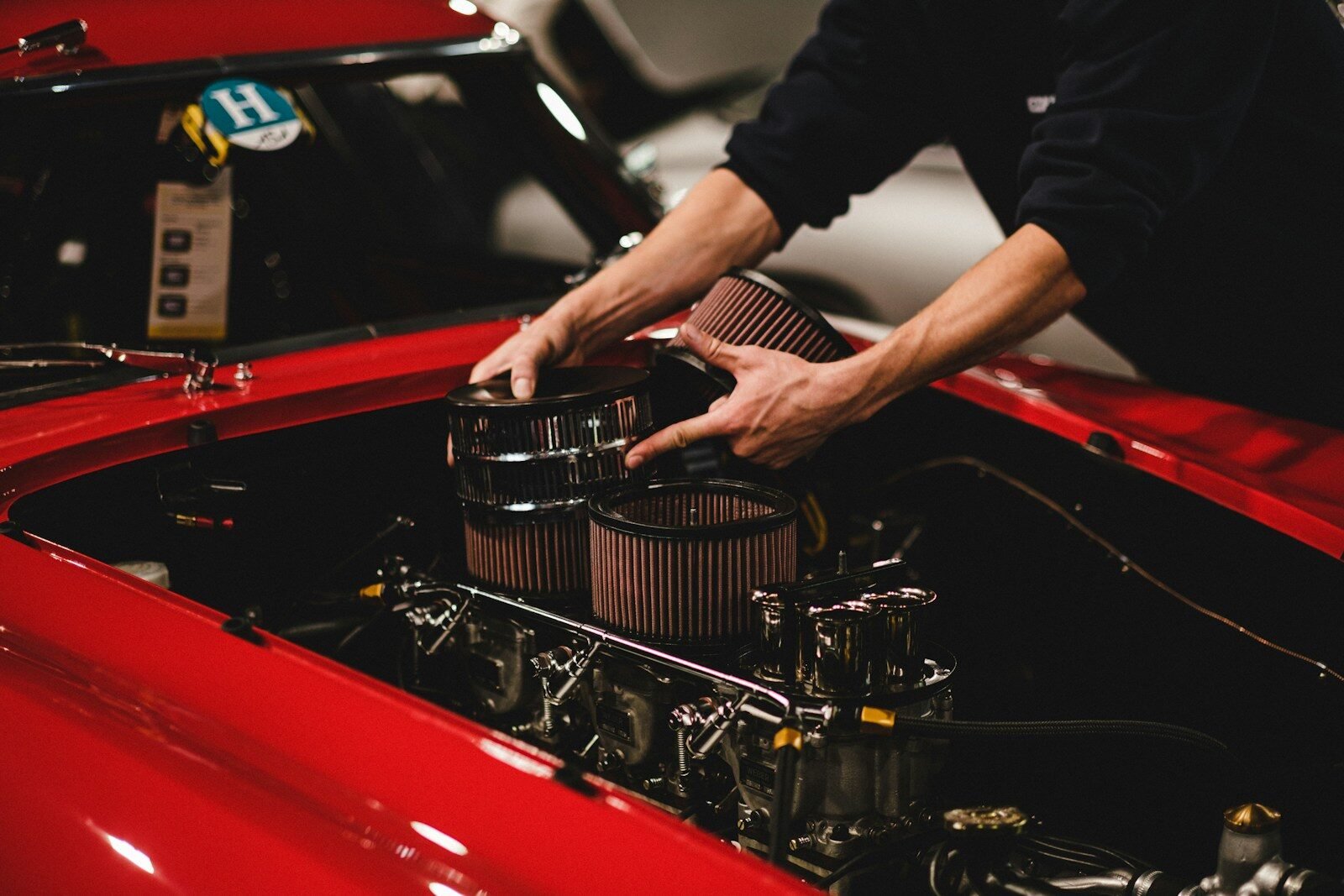
Your engine air filter prevents dirt and debris from entering the engine. A dirty air filter restricts airflow, reducing fuel efficiency and engine performance.
Cabin air filters should also be replaced regularly to improve air quality inside the vehicle and maintain efficient air conditioning.
Replacing air filters is an affordable maintenance task that can noticeably improve your driving experience.
Keep the Battery in Good Condition
A weak battery can leave you stranded without warning.
Inspect your battery every few months for:
- Corrosion around terminals
- Loose connections
- Cracks in the battery case
If your battery is more than three to five years old, consider having it tested by a professional. Cleaning the terminals and ensuring secure connections can extend battery life.
Monitor Brake Performance
Your braking system is one of the most important safety features of your vehicle.
Common signs that your brakes need attention include:
- Squeaking or grinding noises
- Vibrations when braking
- Soft brake pedal
- Longer stopping distances
Brake pads naturally wear over time and should be replaced before they become dangerously thin. Regular brake inspections can prevent damage to the brake discs and improve driving safety.
Check Coolant Levels
The cooling system prevents the engine from overheating. Low coolant levels can cause severe engine damage, especially during hot weather.
Inspect the coolant reservoir regularly and top it up if necessary using the manufacturer-recommended coolant.
If you notice coolant leaks, overheating, or steam coming from under the hood, have the cooling system inspected immediately.
Replace Wiper Blades
Clear visibility is essential for safe driving.
Windshield wiper blades should generally be replaced every six to twelve months. If they leave streaks, skip across the windshield, or make unusual noises, it’s time for new blades.
Always keep your windshield washer fluid topped up, especially before long trips.
Inspect Lights and Signals
Properly functioning lights help you see the road and allow other drivers to see you.
Regularly check:
- Headlights
- Brake lights
- Turn signals
- Reverse lights
- Fog lights
- Hazard lights
Replacing a burned-out bulb is inexpensive and improves road safety.
Maintain Proper Fluid Levels
Modern vehicles rely on several essential fluids for smooth operation.
These include:
- Engine oil
- Brake fluid
- Transmission fluid
- Coolant
- Power steering fluid
- Windshield washer fluid
Low or contaminated fluids can lead to mechanical failures and reduced performance. Check fluid levels during routine maintenance and refill or replace them as recommended.
Keep Your Car Clean
Cleaning your vehicle isn’t just about appearance.
Washing your car removes dirt, road salt, and contaminants that can damage paint and cause rust. Waxing the exterior provides additional protection against sunlight and moisture.
Inside the vehicle, vacuum carpets, clean seats, and wipe down dashboards to maintain a comfortable driving environment.
A clean vehicle often retains its value better over time.
Follow the Manufacturer’s Maintenance Schedule
Every vehicle has a recommended maintenance schedule provided by the manufacturer.
This schedule includes:
- Oil changes
- Filter replacements
- Spark plug inspections
- Timing belt replacement
- Fluid changes
- Brake inspections
- Suspension checks
Following this schedule helps prevent major repairs and keeps your warranty valid if applicable.
Listen to Your Car
Your vehicle often gives early warning signs before major problems develop.
Pay attention to:
- Unusual noises
- Vibrations
- Warning lights
- Burning smells
- Reduced fuel economy
- Difficulty starting
Ignoring these symptoms can allow small issues to become expensive repairs.
Seasonal Car Maintenance Tips
Different seasons require different maintenance routines.
Summer
- Check coolant levels.
- Test the air conditioning system.
- Inspect tire pressure regularly.
- Protect paint from UV damage.
Winter
- Test the battery.
- Check antifreeze concentration.
- Install winter tires if needed.
- Keep an emergency kit inside the car.
Seasonal preparation reduces the risk of weather-related breakdowns.
Benefits of Preventive Maintenance
Regular preventive maintenance offers numerous advantages:
- Improved fuel efficiency
- Better driving safety
- Longer engine life
- Lower repair costs
- Higher resale value
- Increased reliability
- Reduced risk of unexpected breakdowns
Spending a little time and money on maintenance today can save thousands in future repair bills.
Final Thoughts
Car maintenance is an ongoing responsibility that every vehicle owner should take seriously. From checking engine oil and tire pressure to inspecting brakes and replacing filters, each maintenance task contributes to your vehicle’s overall health and performance.
By following a regular maintenance schedule and addressing small issues before they become major problems, you can enjoy safer driving, lower operating costs, and a vehicle that performs reliably for many years. Whether you’re an experienced driver or a first-time car owner, investing in routine car maintenance is one of the smartest decisions you can make.